Budget camping safari in Rwanda and Uganda
Choose privacy on Camping safaris in Rwanda and Uganda. The most effective way on camping is using a rooftop tent on a 4×4 Land cruiser. With this you will have a lot of flexibility in terms of where to stay and how much to spend. A budget camping self-drive safari across Rwanda and Uganda is not just a cost-effective alternative — it is, for many travelers, the most intimate and memorable way to experience two of Africa’s most extraordinary wildlife destinations. The open road, a rooftop tent, and the distant call of a silverback gorilla are rewards that no five-star lodge can fully replicate
Few safari experiences match the raw, unfiltered magic of a budget camping safari through Rwanda and Uganda — two of East Africa’s most biodiverse nations packed into a relatively compact geography. Whether you are a solo adventurer, a couple on a shoestring honeymoon, or a small group of wildlife enthusiasts, planning a self-drive camping safari from Rwanda to Uganda offers extraordinary value without sacrificing the thrills that define an African wilderness experience.
Why Choose a Budget Camping Safari Across Rwanda and Uganda?
The appeal of a budget self-drive safari in East Africa lies in the freedom it affords. Unlike packaged lodge tours, a camping safari lets you dictate your own pace, linger at a watering hole longer than scheduled, and wake up to birdsong inside the parks themselves. Rwanda and Uganda share a border that is surprisingly straightforward to cross, making a cross-border camping safari from Kigali to Kampala one of the most rewarding road trips on the continent. Combined, these two countries offer access to mountain gorillas, chimpanzees, the Big Five (in Queen Elizabeth National Park), golden monkeys, and some of the world’s most dramatic highland and savannah landscapes — all on a budget that undercuts traditional East African safari circuits by a significant margin.
Planning Your Cross-Border Self-Drive Safari Route
The most popular self-drive cross-border safari route between Rwanda and Uganda begins in Kigali, Rwanda’s immaculate capital. From here, travelers typically drive northwest toward Volcanoes National Park — home to the endangered mountain gorilla — before crossing into Uganda at the Cyanika or Katuna border posts. Once inside Uganda, the route unfolds toward Bwindi Impenetrable National Park, famous for offering affordable gorilla trekking permits for budget travelers, before continuing north to Queen Elizabeth National Park and, if time allows, Kibale National Park for chimpanzee tracking. The full loop back to Entebbe or Kampala for international departure can be completed in 10 to 14 days, making it ideal for travelers seeking a two-week self-drive budget camping safari in Uganda and Rwanda.
Car Hire Options for a Rwanda–Uganda Self-Drive Safari
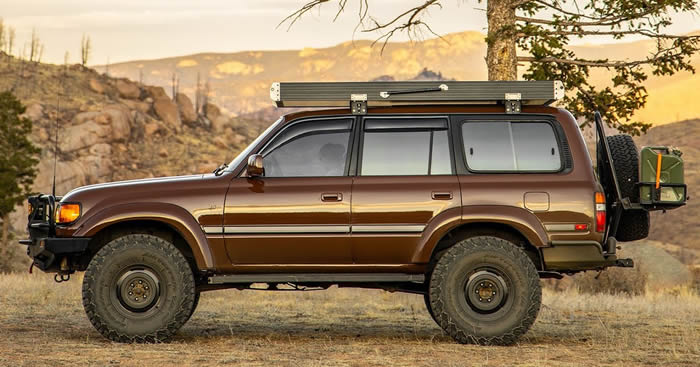
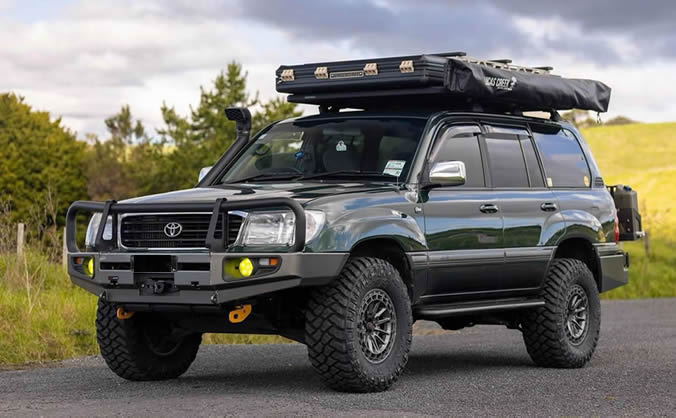
Choosing the right vehicle is the cornerstone of any successful self-drive car hire safari in Rwanda and Uganda. The roads between parks vary from well-maintained tarmac to rugged murram (dirt) tracks, particularly inside the parks themselves. For this reason, the most recommended option is a 4×4 car hire with rooftop tent for camping in Uganda, which eliminates the need to pack and unpack a ground tent daily. Popular vehicles for this type of trip include the Toyota Land Cruiser (V8 or Prado), the Rav4 for lighter budgets, and the Land Rover Defender. Several affordable 4WD car hire companies in Kigali and budget car rental agencies in Kampala offer vehicles pre-fitted with camping gear including rooftop tents, sleeping bags, a portable fridge, cooking gas, and basic kitchenware — effectively an all-in-one mobile camp.
When comparing self-drive car hire rates for a Rwanda–Uganda safari, prices typically range from $90 to $180 USD per day depending on vehicle size, included equipment, and unlimited mileage policies. Always confirm whether the rental includes cross-border permits, third-party insurance valid in both countries, and a 24-hour breakdown support contact — these are non-negotiable for a stress-free cross-border self-drive car rental safari.
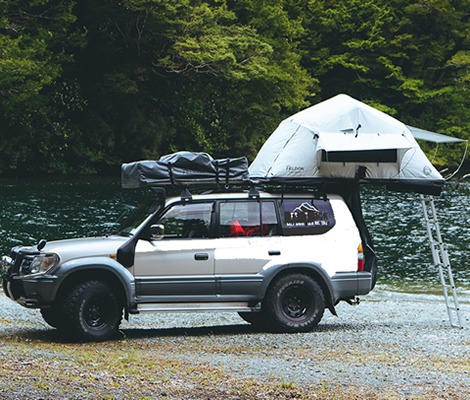
Camping with double rooftop tents.
Two double rooftop tents for double occupancy. With a maximum of 4 people on self drive and camping. Cut your Uganda and Rwanda safaris by choosing camping trips.
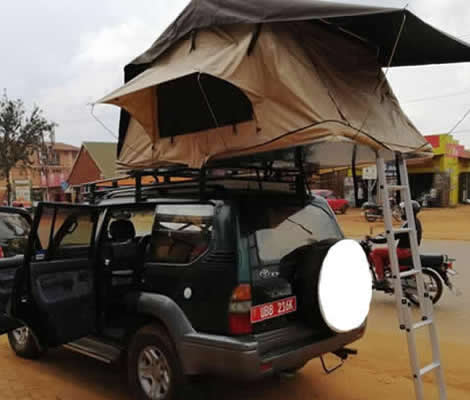
Budget Camping Safaris - Rwanda and Uganda
Book a Prado TX is available for camping safaris in Rwanda and Uganda. This is 4x4 is available for two travellers on camping and self drive safari.
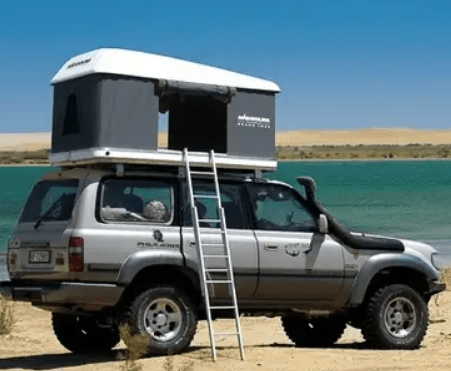
Budget solo camping safaris
The shell rooftop tent is for a solo traveller. With such camping option you will have a discount on camping gear to meet your travel budget.
Where to Camp: Best Budget Campsites in Rwanda and Uganda
Both Rwanda and Uganda have invested meaningfully in affordable public campsites inside national parks. This has made it easy to sleep in the heart of the wilderness without breaking the bank. In queenElizabeth National Park, places like Mweya Penisular, UWA has a public campsite with all facilities. In Rwanda, Volcanoes National Park campsites offer basic but clean facilities near the park headquarters. In Uganda, Queen Elizabeth National Park public campsites at Mweya Peninsula provide stunning views over the Kazinga Channel, while Bwindi Impenetrable Forest budget campsites place you minutes from gorilla trekking starting points. Nightly campsite fees generally range between $15 and $40 USD per person, significantly cheaper than lodge rates. Bringing your own supplies from Kigali or Kampala supermarkets — including pasta, canned goods, fresh vegetables, and local coffee — dramatically reduces food costs throughout the trip.
Tips for a Smooth Budget Camping Safari Experience
A few practical notes for first-time budget camping safari self-drivers in Rwanda and Uganda: always carry cash in both Rwandan Francs and Ugandan Shillings, as ATMs are unreliable near park boundaries. Book gorilla trekking permits well in advance — Uganda’s $800 permits and Rwanda’s $1,500 permits sell out months ahead, especially during peak season (June–September and December–February). Download offline maps via Maps.me or Google Maps before entering low-connectivity zones, and always maintain a full fuel tank when leaving town.