Self Drive Safaris in Rwanda and East Africa
The East African tourism landscape is undergoing a quiet revolution. Where once the only way to see mountain gorillas in Volcanoes National Park or track lions across the Serengeti was through a fully packaged guided tour, a growing number of adventurous travellers are now choosing a different path — the self drive safari. From affordable self drive car hire in Rwanda to cross-border wildlife safari road trips from Kigali to Nairobi, independent travel is no longer the domain of the few. It has become a mainstream option that is fundamentally reshaping how tourists engage with East Africa’s extraordinary natural heritage.
This piece offers a comprehensive account of the self drive safari phenomenon in Rwanda and the wider region — how it works, why it is growing, which routes are most popular, and how it is transforming the tourism industry from the ground up.
What Is a Self Drive Safari?
As the term “self drive” implies, tourists rent a vehicle such as a 4WD Sports Utility Vehicle or a Toyota Land cruiser and undertake safaris in national parks and game reserves on their own terms, free from the guidance of a professional driver. This type of safari originated in Southern Africa, especially in the Kruger National Park in South Africa and Namibia, where the presence of good roads and proximity to wildlife facilitated this form of safari. Over the last ten years, however, this type of safari has moved northward at an impressive rate.
Gorilla trekking safaris without guides, self-drive safaris in Rwanda, budget 4×4 car rental services in Uganda and Rwanda border regions, and road trips through East African countries have become a reality. Companies offering tour services, regional tourism agencies, and car rental agencies are aware of this trend and have developed services to cater to this clientele.

Rwanda as a Self Drive Safari Gateway
- Rent a Car Rwanda
- /
- Self Drive Safari
Rwanda occupies a uniquely strategic position in the East African travel map. Small in size but extraordinarily rich in biodiversity and scenery, it offers some of the continent’s most iconic wildlife experiences within a compact, well-connected geography. The country’s capital, Kigali, is served by RwandAir’s rapidly expanding regional network and has some of the best road infrastructure on the continent — a fact that makes it one of the most practical entry points for a self drive East Africa safari starting from Kigali.
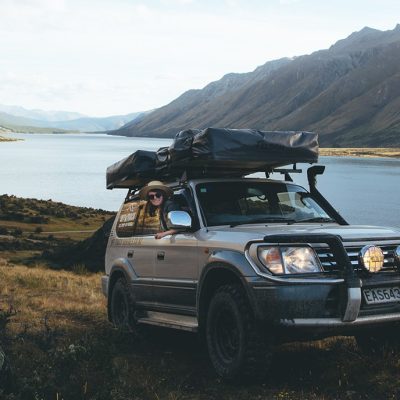
Self drive car hire in Kigali has expanded significantly since the mid-2010s. Reputable operators now offer everything from compact 4x4s suited for solo travellers on a budget to fully equipped Land Cruisers with rooftop tents, camping gear, and GPS navigation systems pre-loaded with national park maps. Most reputable car hire companies in Rwanda also facilitate the multi-entry permits and cross-border vehicle documentation required for travellers planning a Rwanda to Uganda self drive safari or a longer loop into Tanzania or Kenya.
Volcanoes National Park: The Crown Jewel
Volcanoes National Park, located in northern Rwanda and the habitat of the critically endangered mountain gorillas, is one of the most popular locations for those going on a self-drive safari. In a self-drive gorilla safari in Volcanoes National Park, the traveller would need to hire a car from Kigali, drive the smooth tarmac roads for about two to three hours, passing through the town of Musanze and reaching the park headquarters of Kinigi the night before the day of the gorilla trekking expedition. These are smooth roads with signage that allow access even by cars that are slightly elevated.
In addition to the gorilla treks, self-driving visitors can also try to catch a glimpse of the rare golden monkeys that can be found in this part of the world and visit the towering Virunga volcanic mountains. It should be noted that other things, like choosing the best spots for photo-taking, purchasing items from the roadside markets in Musanze, and staying in whichever hotel one prefers, are some of the reasons why people prefer this option.
Akagera National Park: Rwanda’s Big Five Savannah
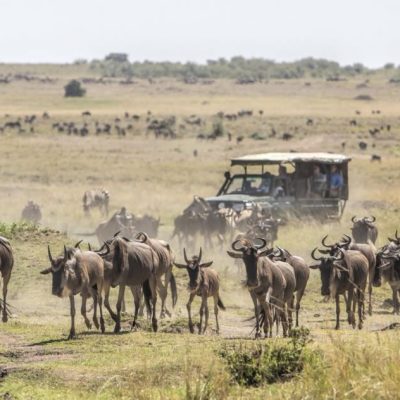
On the opposite end of the country, Akagera National Park — Rwanda’s only savannah ecosystem — has become another key destination for self drive wildlife safaris. Since the reintroduction of lions in 2015 and black rhinos in 2017, Akagera has joined the short list of East African parks where travellers can self drive in search of the Big Five. Self drive game drives in Akagera National Park are now officially permitted, with designated circuits, digital park maps available at the gate, and a growing network of budget and luxury bush camps accessible by 2WD vehicles during the dry season.
The park’s proximity to the Tanzanian border also makes it a natural launching point for self drive cross-border safaris from Rwanda into Tanzania, with the Serengeti and Ngorongoro Conservation Area reachable within a day’s drive.
The Cross-Border Self Drive Circuit: East Africa Without Borders
One of the most exciting developments in regional tourism is the growth of multi-country self drive safari itineraries across East Africa. Thanks to improvements in border infrastructure and the East African Community’s (EAC) push toward regional integration, travellers can now legally cross between Rwanda, Uganda, Kenya, Tanzania, and Burundi with a hired vehicle — provided the car hire company has arranged the necessary cross-border permits and vehicle insurance.
Your wildlife gateway
Rwanda to Uganda: The Gorilla Highway
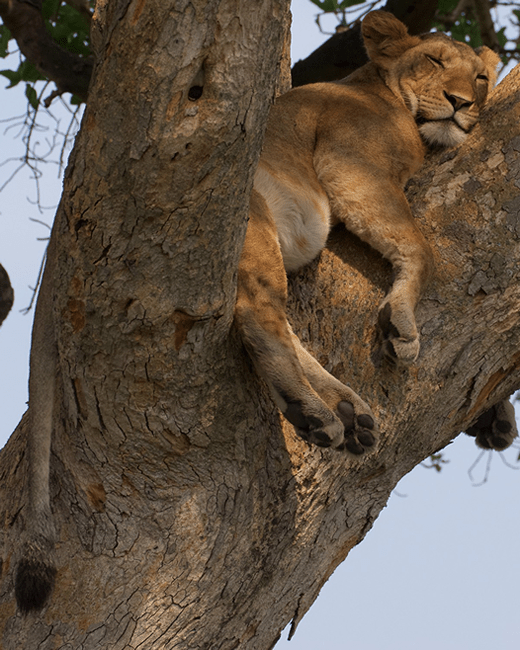
The most popular cross-border self drive route in the region is the so-called “Gorilla Highway” — a circuit linking Rwanda’s Volcanoes National Park with Uganda’s Bwindi Impenetrable Forest and Kibale Forest National Park. Self drive car hire for Rwanda and Uganda gorilla trekking tours has become one of the fastest-growing niche offerings in the region, appealing particularly to wildlife photographers, repeat visitors, and travellers who want full control over their schedule. The crossing at Cyanika (on the Rwanda side) or Katuna/Gatuna is straightforward for self drivers with proper documentation, and the road from the border to Kabale and onward to Bwindi is in reasonable condition. Beyond gorilla trekking, this circuit opens up self drive wildlife safaris in Queen Elizabeth National Park, where tree-climbing lions and boat safaris on the Kazinga Channel are among the highlights.
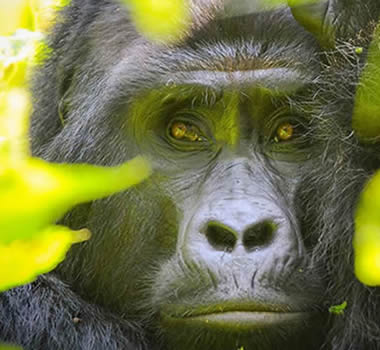
Gorilla Trek Rwanda and Uganda Combined
For a better gorilla experience, choose double Gorilla trekking in Volcanoes National park of Rwanda and Bwindi in Uganda.
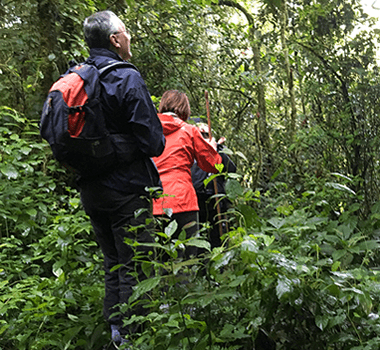
Primates safaris and Gorilla trekking tours
Combine Chimp safaris and wildlife in Rwanda or Uganda for more adventurous trip. There several locations in Uganda for Chimpanzee tour.
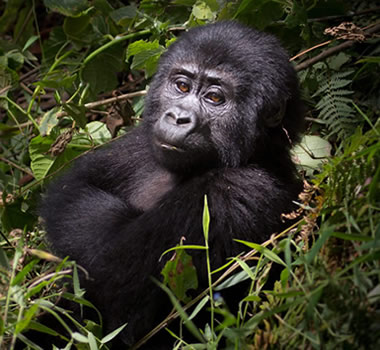
Gorilla tours and wildlife adventure Safaris
Gorilla tours which include normal tracking and Gorilla habituation experince. Visit Rwanda and Uganda for these experiences.
Rwanda to Tanzania: The Serengeti Loop
For those with more time, a self drive safari from Rwanda through Tanzania’s northern circuit represents one of Africa’s great road trip adventures. Exiting Rwanda via the Rusumo Falls border crossing into Tanzania, travelers pass through the Kagera region before ascending into the highlands and connecting to the road system serving the Serengeti, Ngorongoro, Tarangire, and Lake Manyara national parks. Budget self drive safari packages covering Rwanda and Tanzania’s northern circuit have begun appearing on the market, catering to independent travelers who want to experience multiple ecosystems—from Rwanda’s misty volcanoes to Tanzania’s iconic open plains—without the cost and scheduling constraints of a guided tour.
Kenya: The Northern Frontier
The longest and most ambitious self drive option in the region stretches from Rwanda all the way to Kenya, passing through Uganda’s western parks and entering Kenya via the Busia or Malaba border crossings. Self drive East Africa road trip itineraries from Kigali to the Masai Mara are increasingly documented in travel blogs and forums, reflecting a community of independent-minded travellers who want to experience the full sweep of East African wildlife on their own terms.
Democratizing Access to Wildlife Experiences
Perhaps the most significant impact has been the broadening of the market. Traditional guided safaris in Rwanda, particularly gorilla trekking packages, have historically been associated with high costs—gorilla permits alone are priced at USD 1,500 per person. When that permit cost is bundled into a fully guided package with luxury lodge accommodation and private transport, the total spend can reach USD 5,000 or more per person for a short trip.
Affordable self-drive gorilla safari options in Rwanda don’t eliminate the permit cost, but they dramatically reduce the ancillary expenses. Travelers who hire their own vehicle, cook some of their own meals, and choose mid-range or community-run accommodation can experience the same wildlife encounters at a discounted price. This has opened Rwanda’s gorilla tourism to middle-income travelers from within Africa itself — a demographic that was previously largely excluded.
Stimulating Local and Community-Based Economies
Self drive tourists, by nature of their independence, tend to engage more deeply with local economies than those on guided tours. They stop at roadside fruit stalls, eat at locally owned restaurants in Musanze or Rwamagana, and seek out community-run campsites and guesthouses that rarely appear in the catalogs of large tour operators. This dispersal of tourism spending has material benefits for rural communities along the major self-drive corridors.
Rwanda’s community tourism initiatives—including the Iby’Iwacu Cultural Village near Volcanoes National Park, and various community campsite networks in and around Akagera—have seen increased footfall from self-drive visitors who would not typically be channelled toward such experiences by a standard guided itinerary.
Driving Investment in Road Infrastructure and Digital Tourism Tools
The rise of GPS-guided self-drive safari routes in Rwanda has pushed both the government and private sector to invest in improved road signage, digital park maps, and tourism apps tailored to independent travelers. The Rwanda Development Board (RDB) has been particularly proactive in producing downloadable maps, clear entry permit guidelines, and online booking systems that serve the self-drive market.
Rwanda’s exceptional road network—regularly cited as one of the best in sub-Saharan Africa—is both a cause and a beneficiary of the self-drive trend. Investment in roads that connect Kigali to Musanze, Akagera, and the Nyungwe Forest has been sustained in part because these corridors are now not only commercial arteries but also primary tourism routes.
Most Popular
- All Posts
- 4x4 Car Fleet
- 4x4 Car hire & Driver
- Gorillas and Primates
- One way Car hire
- Safaris and Holidays
- Wildlife Attractions
- Wildlife Safaris & Tours
Challenges and Considerations
Self-drive safaris in East Africa have their own difficulties. Travellers may face difficult road conditions when journeying out of Rwanda and parts of Kenya, especially from March to May, during which time unpaved trails in Akagera or Serengeti will be unusable due to the long rains. Mechanical problems are always possible, especially in the case of self-drive trips, and one must select only those rental companies that provide well-maintained cars with spare wheels and assistance available.
Rules related to wildlife safety differ between parks; in some East African game reserves, there are no restrictions on travellers’ movements, while in others, they have to stick to set tracks or follow a guide. One needs to familiarize themselves with the rules of the reserve beforehand. In case of a self-drive trip, travellers need to organise proper cross-border documentation in relation to their vehicle, including permits and vehicle insurance coverage.
The Road Ahead
The trajectory for self drive safaris in Rwanda and East Africa points clearly upward. Regional tourism bodies, including the East African Tourism Platform, have identified independent and semi-independent travel as a key growth segment. Infrastructure investment, digital tourism tools, and a growing community of experienced self drive travellers producing route guides, blog posts, and social media content are all accelerating adoption.
For Rwanda specifically, self drive wildlife safaris represent a strategic opportunity to diversify its tourism revenue base, extend the average visitor’s length of stay, and build a more resilient sector that is less vulnerable to the volatility that affects high-end, package-dependent tourism.
The roads of East Africa are open. The gorillas are waiting. And for a growing number of travellers, the freedom to find their own way there is the greatest adventure of all.