
Kibale National Park – Chimpanzee Tracking & Self-Drive Safari from Rwanda
Kibale National Park, located in Uganda, is famous for its lush rainforests and is a top destination for chimpanzee safaris and birdwatching. Self-drive tours from Rwanda to Kibale are highly regarded as one of the best ways to experience the park. This national forest is home to one of the highest concentrations and diversities of primates in Africa, including a significant population of endangered chimpanzees, the endangered red colobus monkey, and the vulnerable L’Hoest’s monkey.
In total, Kibale National Park is home to 13 different species of primates. Uganda has approximately 4,950 chimpanzees, with around 1,500 residing in Kibale National Park. Visitors can spend 1 hour observing chimpanzees, similar to the experience offered during gorilla trekking.
All chimpanzee trekking safaris in Kibale National Park, Uganda, prioritize safety. You will be guided by trained rangers from the Uganda Wildlife Authority (UWA) throughout your trek, who are committed to your well-being. The chimp trekking experience usually lasts between 2 to 3 hours as you navigate the national park in search of the chimpanzees. Once located, each group is permitted to spend a minimum of one hour observing the chimps after the trek concludes.
Kibale National Park stands out as a premier location in Africa for the study of tropical forest ecosystems. It has been designated as a national park due to its remarkable biodiversity, which encompasses 350 species of trees, 71 species of mammals, and 370 species of birds. The park is particularly renowned for its diverse primate population, featuring species such as chimpanzees, the endemic red colobus, and L’Hoest monkeys. Chimpanzee trekking stands out as one of Uganda’s most sought-after wildlife experiences, offering an exceptional chance to observe chimpanzees in their natural environment. Guided by knowledgeable rangers from the Uganda Wildlife Authority, intimate groups of no more than eight individuals are immersed in the captivating world of these remarkable primates.

Self-drive safaris to Kibale National Park generally start from either Queen Elizabeth National Park or Bwindi Forest. These three locations are frequently included together in safari packages. Many travelers discover that safaris in Uganda tend to be more budget-friendly compared to those in Rwanda.
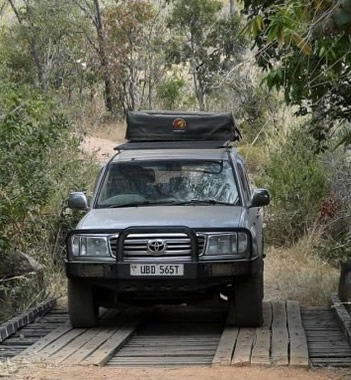
The southwestern region of Uganda is easily accessible, which avoids the long journey from Kampala. Nonetheless, a 4×4 vehicle is essential for navigating these areas. Visitors traveling from Rwanda will also require a dependable vehicle for their excursions.
Bird Watching
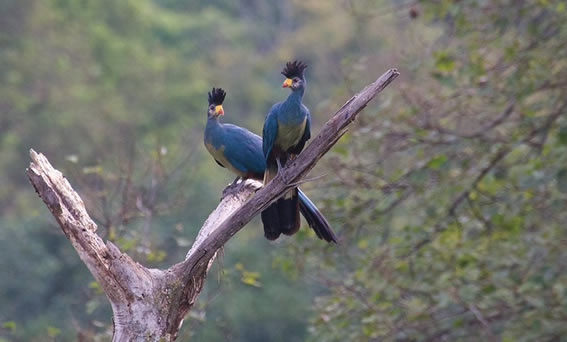
Kibale is one of Uganda’s finest birding destinations. Bird enthusiasts will be delighted, as Kibale shelters approximately 370 bird species, with 23 Albertine Rift endemics such as Nahan’s francolin — a globally threatened ground-dwelling bird — and Cassin’s spinetail, a fast-flying forest-dweller. Among the species that birders should look out for is the Green-breasted Pitta, Yellow-spotted Nicator, White-thighed Hornbill, Yellow-rumped Tinkerbird, the African Pitta, the Black Bee-eater, and the Little Greenbul. Uncommon species to look out for within the park include the Papyrus Canary, Papyrus Gonolek, White-collared Oliveback, and the White-winged Warbler. Birding walks start as early as 7:00 am from Kanyanchu and are best conducted with an expert guide.
Kibale National Park a destination on your list
Kibale National Park, nestled in the rolling hills of western Uganda about 26 kilometres southeast of Fort Portal, is globally celebrated for its chimpanzee tracking experience. Yet the park and its surrounding landscapes offer an extraordinarily rich and varied menu of tourist activities that could keep an adventurous visitor engaged for well over a week. Here is a detailed look at everything else Kibale has to offer beyond chimp tracking.
Chimpanzee Habituation Experience (CHEX); – For visitors who want far more than the standard one hour with chimpanzees, Kibale offers a deeper alternative. A guided night walk with spotlights runs from 19:30 to 22:00 daily at a cost of US$40 per person, offering a good chance of spotting nocturnal primates such as the bush baby and potto. Beyond the night walk, the Chimpanzee Habituation Experience allows tourists to spend more than six hours with the chimpanzees, unlike the standard one-hour chimpanzee trek — and the permits are correspondingly more expensive. This full-day immersion is ideal for wildlife researchers, photographers, and enthusiasts wanting a truly intimate encounter with these remarkable apes.
Primate Walks and General Wildlife Viewing; – Kibale is justifiably known as a primate paradise far beyond its famous chimpanzees. The park is home to 13 species of primates, including the Uganda mangabey, the Ugandan red colobus, L’Hoest’s monkey, the mantled guereza, and the blue monkey. Guided primate walks allow visitors to encounter these species in their natural forest habitat. Beyond primates, the park is home to over 120 other mammal species, including olive baboons, forest elephants, bush pigs, duikers, and rare antelope species. Leopards, African golden cats, servals, and different mongoose species round out a spectacular carnivore list — even if they are more elusive.
Self-Drive: Kigali to Kibale National Park
The road from Kigali to Kibale National Park is one of East Africa’s most rewarding drives — a journey through two countries, dramatic landscapes, and the kind of unhurried beauty that reminds you why road trips exist. The Route – From Kigali, head northwest toward the Cyanika border crossing into Uganda. The drive through Rwanda’s “Land of a Thousand Hills” is immediately arresting — terraced hillsides roll in every direction, roadside markets bustle with colour, and the tarmac is in excellent condition. Allow roughly two hours to reach Cyanika. Cross into Uganda at Kisoro, where the paperwork is generally straightforward with a valid East African Tourist Visa. From Kisoro, the road climbs through the Virunga highlands before descending into the Albertine Rift. The total drive from Kigali to Kibale is around five to six hours, covering roughly 280 km.

Uganda self drive trips with a Land Cruiser
Book a 4x4 Land cruiser from Kigali and explore Uganda including Kibale National Park. Include QENP and Bwindi on your tour.

Budget 4x4 Rav4 for Kibale safaris
Kibale is one of the most popular destinations for chimp tracking in Uganda. Safaris here attrack both budget and luxury travellers.

Camping safaris and car hire for Safaris in Kibale.
Camp at Kibale Forest Camp, the most immersive option — a tented camp set right inside the forest, alive with wildlife sounds day and night.
What to Expect on the Road; The Ugandan stretch between Kisoro and Kabale offers spectacular scenery — crater lakes, eucalyptus forests, and the occasional red-dust trading town where a roadside rolex (egg-and-chapati wrap) makes a perfect pit stop. The road quality varies; some sections between Kabale and Fort Portal have potholes, so a 4WD or higher-clearance vehicle is advisable, particularly in the wet season. Fuel up well before leaving Kigali, and top up again in Kabale.
Arriving at Kibale; The park’s main gate sits near Kanyanchu, close to the town of Bigodi. Arrive before dusk — not just for safety, but because the forest edges around Kibale come alive at golden hour with black-and-white colobus monkeys and red-tailed monkeys moving through the canopy.
Why It’s Worth It; Kibale is home to the world’s highest density of primates, and its chimpanzee trekking experiences are among the best on the continent. Driving yourself adds an extra dimension — the freedom to stop at a viewpoint above Lake Bunyonyi, chat with locals in Kabale, or simply pull over and listen to the forest. It’s a trip that earns its destination.
Cultural and Community Tours.
The cultural richness of the communities surrounding Kibale is a deeply rewarding part of any visit to the area. Visitors interested in having a taste of Batooro meals can visit the Tinka family during the community walk, where they are able to enjoy food made from natural plants while sitting under a cool grass-thatched environment and listening to the melodies of different bird species in the wilderness.
The community walk takes three to four hours and includes visiting the traditional healer, who provides deep insight into plant species of medical significance, herbs, and local traditions, as well as meeting and listening to the stories of the elderly.
After the Bigodi wetland walk, tourists can engage with locals who create artistic souvenirs crafted from materials gotten from the conserved swamp — including bags, mats, beads, and baskets, many of which are exported to foreign countries.
Nocturnal Forest Walks; – For the adventurous traveller who does not mind trading daylight for the enchanting sounds of the African night, Kibale’s nocturnal walks are a special treat. The guided night walk costs US$40 per person and runs from 19:30 to 22:00 daily, offering a good chance of sighting nocturnal primates such as the bush baby and potto — a medium-sized, sloth-like nocturnal primate that inhabits forest interiors, spending nights foraging upside down from tree branches and days curled up to sleep in tree hollows. This experience is unique and unlike anything offered by most African national parks.
Nature and Forest Walks (Day Hikes); – Kibale’s trails are spectacular in their own right. The Kibale Forest Walk Trail is one of the best interesting walking safaris visitors can take part in — a 12-km-long walk passing through terrains like swamplands, grassland, forests along rivers, and tropical forest, taking about six hours in open savannah.
At Sebitoli, an extension of Kibale Forest National Park that opened to ease tourist pressure on Kanyanchu, several short guided hikes are available. The six-to-eight-hour hike starts at Sebitoli Camp at 08:00 and offers a good chance of seeing red monkey and blue monkey, as well as a wide range of bird species. Chimpanzees are often heard, while elephants are occasionally encountered close to the Mpanga River.
Amabere Ga Nyina Mwiru (Amabere Caves); – A short drive from Kibale, the Amabere Ga Nyina Mwiru caves are one of western Uganda’s most fascinating cultural-geological attractions. Amabere Ga Nyina Mwiru are natural features that resulted through the formation of stalagmites and stalactites. The local Batooro people have a huge cultural attachment to these rocks — they believe these are the breasts of a young girl called Nyina Mwiru, cut off by her father the King for refusing to marry a partner he had selected for her. The caves are set within a lush, forested gorge and are best visited as a half-day cultural excursion from Fort Portal.
Crater Lake Safaris; – The Fort Portal region surrounding Kibale is home to a stunning collection of volcanic crater lakes. Crater lake safaris are a popular activity for visitors to the Kibale area, easily combined with other activities like bird watching, guided nature walks, and community safaris. These serene lakes — many of which shimmer in vivid shades of green, blue, and turquoise — offer beautiful scenic drives, photography opportunities, and swimming in some cases. The Ndali-Kasenda crater lake area is particularly scenic and is home to some of Kibale’s most charming lodges.
Mpanga Falls Visit; – The Mpanga River forms an impressive waterfall as it tumbles over the rim of the 1,200-metre Mount Karubaguma, some 15 km before emptying into Lake George. The waterfall, estimated to be about 50 metres high, is enclosed by a steep gorge and supports a lush cover of spray forest. It can easily be reached as a day trip from Kibale National Park. The falls are a wonderful scenic detour for visitors in the area.
Kibale self drive trips
Conclusion about Kibale National Park
Kibale National Park and its surrounding landscapes are far more than a chimpanzee tracking destination. From the award-winning community conservation story of Bigodi Wetland Sanctuary, to the nocturnal magic of forest night walks, to the geological wonder of Amabere Caves and the serene beauty of the crater lakes, this corner of western Uganda is one of the most layered and rewarding ecosystems on the African continent. Visitors who look beyond the famous chimps will find that Kibale richly rewards every kind of traveller — the birder, the hiker, the cultural enthusiast, and the wildlife photographer alike.