Rwanda Gorilla Trekking Safaris – Book Your 4×4 & Gorilla Permits
Gorilla safaris draw thousands of tourists from every corner of the globe, offering a rare and deeply personal encounter with one of the world’s most endangered primates — the Mountain Gorilla. Whether you choose Rwanda or Uganda, each destination delivers its own distinct landscape, atmosphere, and adventure. From the misty ridges of Volcanoes National Park to the dense, ancient rainforest of Bwindi Impenetrable Forest, gorilla trekking in East Africa is a once-in-a-lifetime experience no wildlife lover should miss.
Self-Drive Gorilla Safaris — How to Trek Gorillas Independently in Rwanda and Uganda
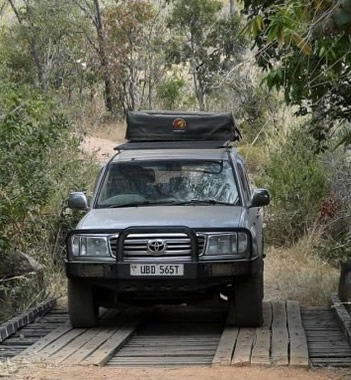
Both Rwanda and Uganda are well suited to self-drive safaris for independent travellers. You can rent a vehicle and drive yourself to Volcanoes National Park in Rwanda or to Bwindi Impenetrable Forest in Uganda. Your gorilla trekking permit can be arranged in advance, and collected at the point of car hire — whether from a hotel, the airport, or offices in Kigali. A team member will provide a short briefing on the trekking process so you arrive fully prepared and on time.
Volcanoes National Park: Rwanda’s Premier Mountain Gorilla Destination
Located in the northwestern corner of Rwanda, Volcanoes National Park shares its borders with Virunga National Park in the DR Congo and Mgahinga National Park in Uganda. The park spans 160 square kilometres of lush rainforest and bamboo, sheltering five of the eight volcanoes of the Virunga Mountains — Karisimbi, Bisoke, Muhabura, Gahinga, and Sabyinyo. Gazetted in 1925, it was the base of the legendary zoologist Dian Fossey, whose groundbreaking research helped bring Mountain Gorillas to global attention and laid the foundation for modern gorilla conservation.
Today, Volcanoes National Park is home to 12 habituated gorilla families open to tourism, each visited by a maximum of 8 people per day. It is also a habitat shared with the beautiful Golden Monkey, meaning visitors can combine gorilla trekking with a Golden Monkey tracking excursion in the same park — making it exceptional value for primate enthusiasts.
How Much Does a Gorilla Permit Cost in Rwanda in 2026?
A gorilla trekking permit in Rwanda costs $1,500 per person and is issued by the Rwanda Development Board (RDB). This permit allows for a one-hour visit with a habituated gorilla family in Volcanoes National Park and includes the services of a park guide, park entry fees, and conservation fees. For citizens and residents of other African countries, the permit is priced at $500. Permits can be booked directly via the RDB website or through a registered tour operator who can manage the booking on your behalf. Permits are limited and should be booked well in advance, especially during peak seasons — June to September and December to February. Participants must be at least 15 years old.
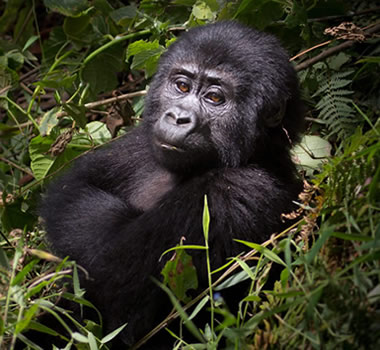
Gorilla Trekking in Rwanda — Volcanoes National Park
Volcanoes National Park is home to 12 habituated gorilla families open to tourism, each visited by a maximum of 8 people per day.
Gorilla Trekking in Rwanda — Volcanoes National Park
Volcanoes National Park is home to 12 habituated gorilla families open to tourism, each visited by a maximum of 8 people per day.
Gorilla Trekking in Rwanda — Volcanoes National Park
Volcanoes National Park is home to 12 habituated gorilla families open to tourism, each visited by a maximum of 8 people per day.
Gorilla Trekking in Uganda — Bwindi Impenetrable Forest & Mgahinga, 2026 Permit Prices
Bwindi Impenetrable National Park: Africa’s Most Biodiverse Gorilla Forest. Bwindi Impenetrable National Park, nestled in the shadow of the Virunga Mountains in southwestern Uganda, is widely regarded as one of the most biodiverse forests on the African continent. Its altitude ranges from 1,160 to 2,607 metres above sea level, supporting an extraordinary variety of flora and fauna. The park is home to 26 habituated gorilla groups, all tracked by tourists, making it the single largest repository of Mountain Gorilla families in the world. Tourists can access Bwindi from four different sectors — Buhoma, Rushaga, Ruhija, and Nkuringo — each offering a slightly different trekking environment and gorilla family. Each sector has its own park headquarters where morning briefings take place. Crucially, accommodation must be chosen close to the sector where your assigned gorilla family lives, to avoid long travel times before the early 7 am start.
Mgahinga Gorilla National Park: Uganda’s Hidden Gorilla Gem
Sharing the Virunga landscape with Rwanda’s Volcanoes National Park, Mgahinga Gorilla National Park is a smaller but equally rewarding destination in Uganda. It is particularly well suited for travelers wishing to combine gorilla trekking with Golden Monkey tracking and volcano hiking — experiences that closely mirror what is on offer across the border in Rwanda.
How Much Does a Uganda Gorilla Trekking Permit Cost in 2026?
Gorilla trekking permits in Uganda for 2026 are priced at $800 per person for foreign non-residents, $700 for foreign residents, $500 for citizens of other African countries, and 300,000 UGX for East African citizens. Uganda remains the most affordable option for gorilla trekking, and since Rwanda increased its permit price from $750 to $1,500, Uganda has seen a significant rise in tourist inflow from travelers seeking a more budget-friendly gorilla encounter. Uganda gorilla permits for 2026/2027 should be booked 3 to 6 months in advance, as they are competitive and typically sell out quickly — especially during the peak season months of June to September and December to February.
Featured Gorilla Safari Packages to Bwindi
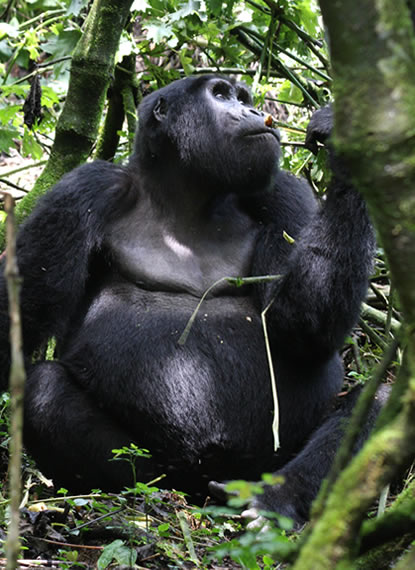
Gorilla Trekking in the DR Congo — Mountain & Lowland Gorillas at Budget-Friendly Prices
For the truly adventurous traveller, the DR Congo offers a third destination for gorilla trekking. Congo gorilla permits cost $400 per person, making it the most budget-friendly option across all three countries. The Congo is unique in that it is the only destination where both Mountain Gorillas and Eastern Lowland Gorillas can be tracked. Kahuzi Biega National Park is the prime location for Lowland Gorilla trekking. Travellers considering the Congo should, however, seek current security and travel advisories before planning their trip.
Rwanda vs Uganda for Gorilla Trekking — Comparing the Two Best Safari Experiences
Feature | Rwanda (Volcanoes NP) | Uganda (Bwindi / Mgahinga) |
Permit Cost (Non-Residents) | $1,500 | $800 |
Permit Cost (African Residents) | $500 | $500 |
Habituated Groups | 12 | 26+ |
Trekking Terrain | Volcanic slopes, bamboo forest | Dense, equatorial rainforest |
Combined Activities | Golden Monkey trekking | Golden Monkey, chimp trekking |
Booking Authority | Rwanda Development Board (RDB) | Uganda Wildlife Authority (UWA) |
Minimum Age | 15 years | 15 years |
Tourists who choose to go on gorilla trekking in both Rwanda’s Volcanoes National Park and Uganda’s Bwindi Impenetrable Forest consistently describe varied experiences. These are primarily due to the distinct landscapes and setups of each destination.
Rwanda Gorilla trekking safaris offers a slightly more streamlined, well-maintained trekking infrastructure with premium pricing to match. Uganda delivers a rawer, wilder atmosphere through the thick and ancient forest of Bwindi, at a comparatively lower permit cost. However, treks in Bwindi offer more spots on permits because of its growing number of Gorilla families.
All gorilla trekking experiences follow a similar format regardless of whether you are in Rwanda or Uganda: The morning begins with a 7 am briefing at the park headquarters, where rangers divide visitors into groups of up to 8, each assigned to a specific habituated gorilla family. Porters, walking sticks, and ranger guides are provided. The actual trek to locate the gorillas can take anywhere from 2 to 7 hours, depending on where the gorillas have moved in search of food. Once found, visitors are permitted to spend one hour with the gorilla family in their natural habitat. During the trek, you may also encounter other forest wildlife including various bird species and primates.
Complete Gorilla Trekking Packing List — What to Bring for Rwanda and Uganda
Gorilla trekking is a physically demanding activity. Personal fitness is important as it involves hiking through forested mountain terrain. Here is what you should pack:
- Long-sleeved shirts and long trousers (to protect against vegetation and insects)
- Sturdy waterproof hiking boots
- Heavy-duty gardening or work gloves
- A quality raincoat or waterproof jacket
- Gaiters or leg coverings to protect against red safari ants
- Sufficient drinking water and a packed lunch
- A walking stick (typically provided by ranger guides)
- Insect repellent and sunscreen
- A small daypack to carry your essentials
When is the Best Time to Go Gorilla Trekking in Rwanda and Uganda?
Gorilla trekking is best done during the dry season — also known as peak season — which runs through June, July, August, September, December, January, and February. During this time, access roads and trekking trails are dry and passable, making the experience significantly easier than during the rainy season when trails can be muddy and slippery.
That said, gorilla trekking is possible year-round, and the green season offers its own rewards including fewer crowds, lush scenery, and the possibility of lower-season pricing from some lodges.
Tips for Booking Gorilla Trekking Permits — Rwanda (RDB) and Uganda (UWA)
- Book early. Permits sell out fast, especially during peak season. Aim to book at least 3–6 months ahead.
- Permits are non-refundable. If you miss your trek, you will not receive a refund. Book through a tour operator who can assist with rescheduling if needed.
- Age restriction. A minimum age of 15 years is strictly enforced across Rwanda, Uganda, and the DR Congo.
- One permit per trek. Each permit covers one person for one hour with one gorilla family.
- Porters are optional but recommended. They are not included in the permit price and are hired separately at the park gates.