- admin
- April 6, 2026
- Safaris and Holidays
Few wildlife encounters on earth rival the moment you lock eyes with a wild mountain gorilla in the mist-laden forests of East Africa. Gorilla trekking has become the crown jewel of African safari tourism — and for travellers who want full freedom, pairing this experience with a self-drive safari and 4WD car hire opens up a world no guided tour bus can reach.
What Is Gorilla Trekking? A Once-in-a-Lifetime Wildlife Encounter
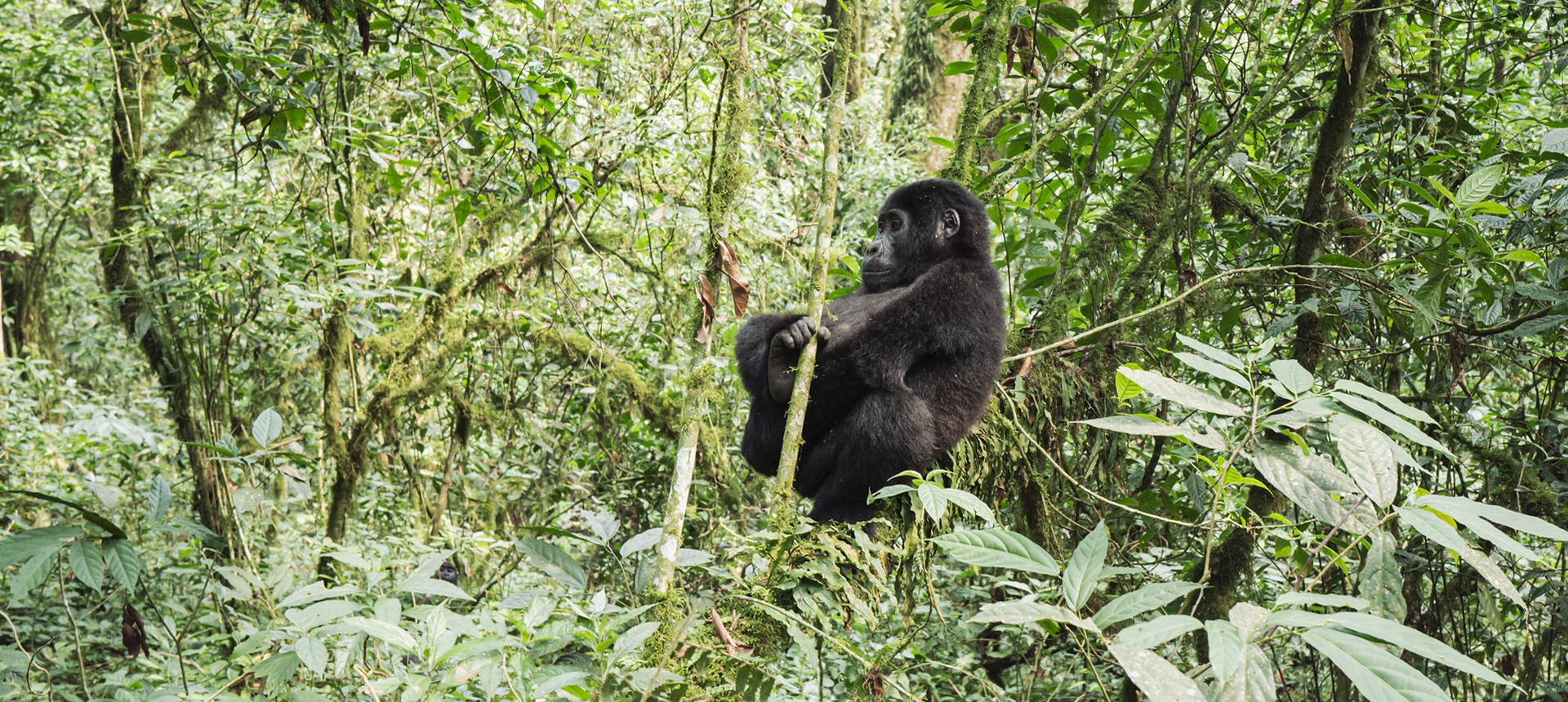
Gorilla trekking in East Africa is a guided wildlife activity in which small groups of tourists — typically no more than eight people — hike through dense montane rainforest to find a habituated family of wild mountain gorillas (Gorilla beringei beringei). Once found, visitors spend exactly one regulated hour in the presence of the gorillas, watching them feed, play, groom, and move through their natural habitat. It is one of the rarest, most emotional, and most conservation-significant safari activities on the planet.
Mountain gorillas exist only in two pockets on earth: the Virunga Massif, a chain of ancient volcanoes shared by Uganda, Rwanda, and the Democratic Republic of Congo (DRC); and the Bwindi Impenetrable Forest of southwest Uganda. With a global population of just over 1,000 individuals, every encounter is a privilege, and the strict one-hour rule and group-size limits are designed entirely to protect these magnificent animals from human disease and stress.
🌿 Quick Gorilla Trekking Facts
- Maximum group size: 8 people per gorilla family per day
- Time with gorillas: exactly 1 hour (strictly enforced)
- Trek duration: 1–8 hours depending on gorilla location that day
- Minimum age: 15 years old
- Best months: June–September and December–February (dry seasons)
- Fitness level: Moderate to strenuous; porters are available and highly recommended
Why Gorilla Trekking Is the Most Popular Safari Activity in East Africa
The popularity of gorilla trekking safaris in Uganda and Rwanda has soared over the past decade for deeply compelling reasons. First, the sheer rarity of the experience: mountain gorillas cannot be seen anywhere in captivity in their natural family structure, making a trek into Bwindi or the Virungas the only way to witness them as they truly live. Second, the emotional weight of the encounter is unlike anything else in wildlife tourism — gorilla families mirror human social bonds, and watching a mother cradle her infant or juveniles wrestle in the undergrowth creates a connection that seasoned safari-goers describe as life-altering.
Third, conservation impact drives genuine demand. Every gorilla trekking permit purchased directly funds anti-poaching patrols, ranger salaries, veterinary care, and community development programmes that make it economically worthwhile for local communities to protect — rather than encroach upon — gorilla habitat. Travellers increasingly want their tourism dollars to matter, and gorilla trekking is one of the clearest examples in the world of conservation tourism that actually works.
Finally, accessibility has improved dramatically. Self-drive gorilla trekking road trips in Uganda, in particular, have become increasingly practical as road infrastructure has improved, making it possible for adventurous travellers to hire a 4WD vehicle and drive themselves to remote forest lodges at a fraction of the cost of fully catered tours.
Choose car rentals and Gorilla Tours
Self-drive gorilla trekking road trips in Uganda, in particular, have become increasingly practical as road infrastructure has improved.
Bwindi Impenetrable National Park, Uganda; Bwindi is the world’s gorilla trekking capital. Home to roughly half of the entire mountain gorilla population, this UNESCO World Heritage Site in southwestern Uganda harbours over 20 habituated gorilla families across four trekking sectors: Buhoma, Ruhija, Rushaga, and Nkuringo. Each sector offers a different landscape and trek character — from the relatively gentler trails of Buhoma to the dramatic ridgeline views of Nkuringo. Gorilla trekking in Bwindi Impenetrable Forest is the benchmark against which all other primate experiences are measured.
Mgahinga Gorilla National Park, Uganda; Smaller and quieter than Bwindi, Mgahinga sits in Uganda’s Virunga corner and shares gorilla families that occasionally cross into Rwanda and the DRC. Trekking here offers dramatic volcanic scenery and far fewer crowds. It is an ideal destination for travellers on a self-drive gorilla trekking safari from Kampala who want a more off-the-beaten-path experience.
Volcanoes National Park, Rwanda; Rwanda’s premium offering sits in the Virunga highlands, easily accessible from Kigali in under three hours. Volcanoes National Park is known for its luxury lodge market and highly organised trekking infrastructure, but comes with the highest permit price in the region. It was here that the late Dian Fossey carried out her legendary gorilla research.
Why Do Gorilla Trekking Permit Prices Vary Across National Parks?
One of the most common questions from travellers planning a budget gorilla trekking trip in East Africa is why permit costs differ so significantly between parks. The short answer: pricing reflects government conservation strategy, market positioning, and visitor management goals — not simply the quality of the experience.
| Country / Park | Permit Cost (USD) | Key Notes |
|---|---|---|
| Uganda — Bwindi & Mgahinga | $800 | Best value for money; most gorilla families; ideal for self-drive add-ons |
| Rwanda — Volcanoes NP | $1,500 | Premium positioning; luxury market; 3 hrs from Kigali; shorter trekking times |
| DRC — Virunga NP | $400 | Lowest cost; security advisory applies; specialist tours recommended |
Uganda’s Uganda Wildlife Authority (UWA) set its permit at $800 following a deliberate policy to remain accessible while generating substantial conservation revenue across multiple gorilla families. Rwanda’s $1,500 fee, introduced in 2017, was a bold premium-market decision by the Rwanda Development Board — fewer gorilla families, higher price, luxury positioning. The strategy has worked: Rwanda’s gorilla tourism revenue per visitor is among the highest in Africa, funding community programmes and habitat protection.
The DRC’s dramatically lower price of $400 reflects the country’s efforts to rebuild its tourism sector after years of regional instability. For adventurous, well-briefed travellers, the DRC offers an extraordinary and deeply raw gorilla experience, but it requires specialist operators and current security assessments before planning.
Additionally, permit prices within a single park can vary. Bwindi’s Nkuringo and Rushaga sectors occasionally offer different seasonal pricing structures, and Uganda periodically adjusts rates for foreign non-residents, East African residents, and Ugandan nationals — meaning a gorilla trekking permit for East African residents can be dramatically cheaper, making the experience accessible to regional travellers as well.
Gorilla Trekking by Self-Drive Safari: Why Car Hire Changes Everything
The most transformative shift in gorilla trekking tourism over the past five years has been the rise of the self-drive safari model. While guided package tours remain popular, an increasing number of independent travellers — particularly those already in East Africa for business, family visits, or extended travel — are discovering that hiring a 4WD vehicle and driving themselves to the gorilla parks delivers an experience that is richer, more flexible, and significantly more affordable.
A self-drive gorilla trekking safari from Kampala to Bwindi covers approximately 540 kilometres through some of Uganda’s most spectacular landscapes: the rolling tea estates of Fort Portal, the dramatic escarpment of the Albertine Rift, Queen Elizabeth National Park’s open savannah, and finally the ancient, fog-draped ridges of Bwindi itself. Driving this route in a hired 4WD — a Toyota Land Cruiser or Safari Land Cruiser being the vehicles of choice — typically takes two days each way, allowing travellers to add game drives, chimpanzee tracking at Kibale Forest, or boat cruises on the Kazinga Channel to their itinerary at no extra guide cost.
What to Look for in a 4WD Car Hire for Gorilla Trekking Routes
Not all roads leading to gorilla country are tarmac. The final stretches into Bwindi’s Nkuringo and Rushaga sectors, and the approach to Mgahinga, are unpaved and can be deeply rutted during the rainy seasons. For a 4WD car hire for self-drive gorilla safari Uganda, the essentials are: genuine four-wheel drive with a low-range gearbox, high ground clearance, a rooftop tent option or reliable GPS navigation, a full-size spare tyre, and a comprehensive breakdown and vehicle replacement guarantee from your hire company. Travelling with a rooftop tent also unlocks Uganda’s network of community campsites, reducing accommodation costs significantly.
Car hire rates for a self-drive safari vehicle in Uganda typically range from USD $80–$150 per day depending on vehicle type, included mileage, and whether a driver-guide is added. Many operators now offer hybrid options: a self-drive vehicle for the highway sections with an optional local guide arranged on arrival at the park — a practical solution for first-time visitors to Uganda’s less-signposted backroads.
Self-Drive Rwanda: Kigali to Volcanoes National Park
Rwanda’s compact geography makes it one of Africa’s most rewarding self-drive safari destinations for gorilla trekking. The drive from Kigali to Kinigi — the gateway village for Volcanoes National Park — takes under three hours on excellent tarmac, passing through the beautiful Musanze (Ruhengeri) town and the dramatic highlands of northern Rwanda. Hiring a vehicle in Kigali for a long weekend gorilla trek is entirely feasible, and several reputable car hire firms in Kigali offer 4WDs with full insurance and 24-hour support.
Most Popular
- All Posts
- 4x4 Car Fleet
- 4x4 Car hire & Driver
- Gorillas and Primates
- One way Car hire
- Safaris and Holidays
- Wildlife Attractions
- Wildlife Safaris & Tours
Gorilla trekking in East Africa is a guided wildlife activity with small groups of tourists
Post Category
Post Tag
Planning Your Self-Drive Gorilla Trekking Safari: Practical Tips
The most important rule of any gorilla trekking trip, whether self-drive or guided, is to secure your permit before booking anything else. Permits sell out months in advance, particularly for Uganda’s peak dry season (June–September). Book directly through the Uganda Wildlife Authority website or through a licensed tour operator. Once your permit date is confirmed, build your self-drive safari itinerary backwards from that date.
Budget travellers planning a cheap gorilla trekking safari Uganda self-drive should factor in: the $800 permit, 4WD car hire at approximately $100/day for 5–7 days, fuel (Uganda’s long distances make fuel a significant budget item), park entry fees for any additional parks en route, accommodation (budget guesthouses near Bwindi start from $30/night), and meals. Even with all these costs combined, a self-organised self-drive gorilla trek in Uganda typically costs 30–40% less than a comparable fully packaged tour — without sacrificing a single moment of the gorilla encounter itself. Travellers crossing from Rwanda can also take advantage of one-way car rental options, which allow you to begin your journey in Kigali and end it in Uganda without the inconvenience of backtracking.
For those who prefer to sleep under the stars between trekking days, a rooftop tent car rental Uganda is an outstanding budget-friendly option — putting you closer to the wilderness and cutting accommodation costs significantly along the route to Bwindi.
Finally, hire a local porter on trek day. At $15–20 for the day, a porter will carry your bag, steady you on steep terrain, and share knowledge of the forest that no guidebook captures. It is one of the most rewarding direct community payments you can make during your safari. And if this is your first time navigating East Africa’s roads independently, pairing your adventure with a reliable cross-border car hire from Rwanda to Uganda ensures you arrive at the trailhead confident, well-rested, and ready for one of Africa’s most extraordinary wildlife encounters.
The gorillas do not care how you arrived — by luxury land cruiser or your own hired 4WD. What matters is that you came, that your permit funded their protection, and that the hour you spent with them stays with you forever.
Final Word: Why Gorilla Trekking Belongs on Every East Africa Safari Itinerary
Gorilla trekking is not a box to tick on an African bucket list. It is a profound, humbling, conservation-critical encounter that funds the survival of one of our closest relatives. Whether you choose Uganda’s $800 permits and independent self-drive roads, Rwanda’s premium Volcanoes Park experience, or the frontier adventure of the DRC’s Virunga, you leave with something no camera fully captures: the weight of having looked into wild eyes that looked back, and of having contributed — however modestly — to keeping that gaze alive in the world.
For the self-drive traveller, gorilla trekking is the ultimate destination to anchor a longer East Africa road trip. Book the permit, hire the 4WD, pack the rain jacket, and point the wheels toward the forest. The silverback is waiting.