Rent a Car to Nyungwe Forest National Park – Self-Drive Primate Safaris
Nestled in the southwestern corner of Rwanda, adjacent to the border with Burundi, Nyungwe Forest National Park stands as one of the most extraordinary natural treasures on the African continent. Renowned across the world for its exceptional primate safaris, rich biodiversity, and ancient landscapes, Nyungwe is not merely a park — it is a living archive of ecological history, a sanctuary for some of the planet’s most remarkable creatures, and a destination that rewards every visitor with experiences that are both humbling and unforgettable. From the misty canopies draped over steep mountain ridges to the serene marshlands teeming with birds and orchids, Nyungwe offers a window into a world that has remained largely unchanged for millennia.
Historical Background
Nyungwe Forest National Park is recognized as one of Central Africa’s oldest rainforests, a distinction that speaks to the extraordinary resilience and continuity of its ecosystems. The forest’s formal history as a protected area dates to 1903, when the German colonial administration designated it as a game reserve — making it one of the earliest conservation efforts in the region. Over the decades that followed, the forest survived the turbulent transitions of colonial rule, post-independence political change, and the devastation of Rwanda’s 1994 genocide. Through all of these upheavals, successive Rwandan governments maintained a commitment to preserving this irreplaceable habitat. Today, the Rwandan government’s stewardship is widely credited with elevating Nyungwe to its current status as a world-class conservation area and ecotourism destination, with ongoing investments in infrastructure, ranger patrols, research, and community engagement that have made it a model for African forest conservation.
What to do in Nyungwe Forest - National Park
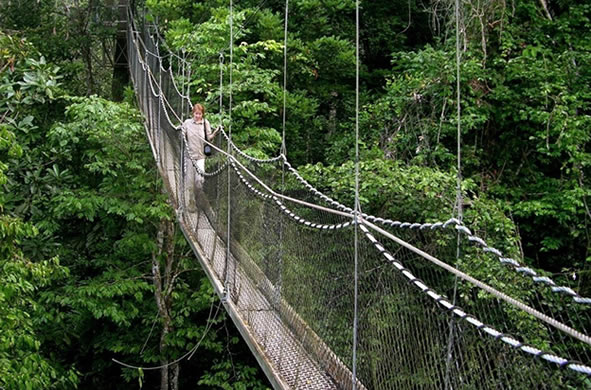
Experience the Canopy Walkway
Walking across the swaying bridge with the mist drifting through the trees and birdsong rising from below is an experience unlike anything else in Rwanda — and unlike almost anything elsewhere in Africa.
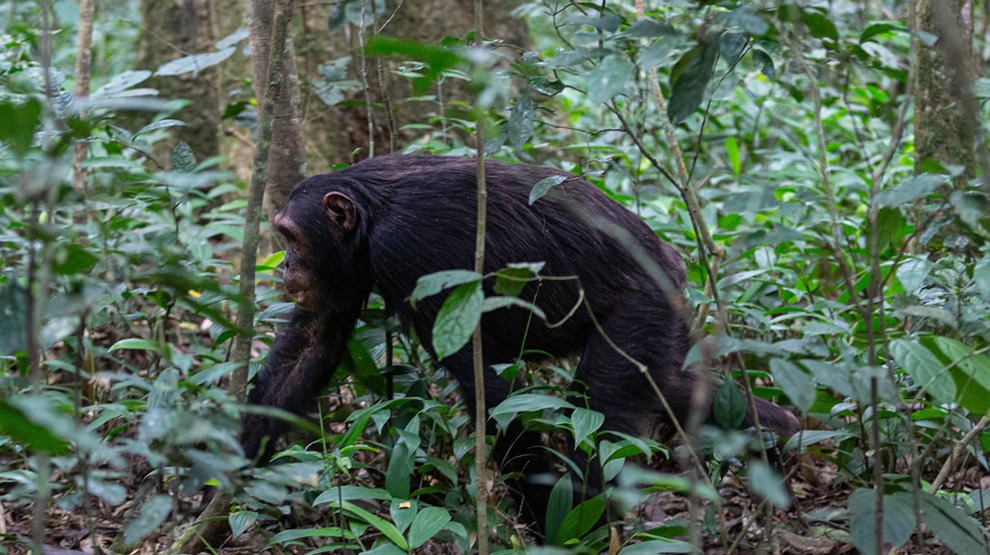
Primate Tracking
The famous chimpanzee tracking, allowing visitors to follow habituated chimp groups through the forest. It's also home to colobus monkey tracking — the park hosts one of Africa's largest troops of Angola colobus monkeys, sometimes numbering over 400 individuals.
Hiking & Nature Trails
The park has an extensive network of trails ranging from short walks to multi-day hikes. Popular routes include the Bigugu Trail (highest point), the Waterfall Trail, and the Isumo Waterfall hike.

4×4 safaris to Nyungwe Forest
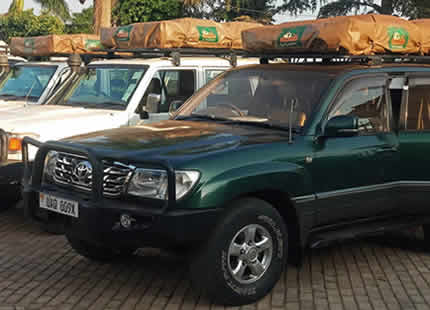
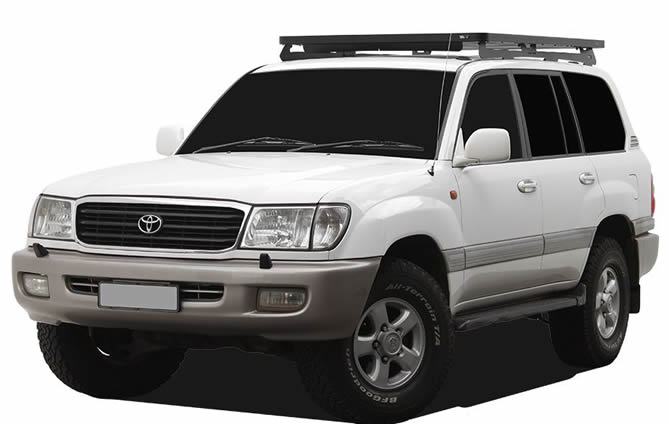
The Pardo Land Cruiser is a standard 4×4 for Nyungwe Safaris whether guided or self drive trips. The Cyamudongo forest in the Eastern side of Nyungwe is only accesible with a sturdy 4×4 beacuse of the raod conditions especially during the rainy days. A Rav4 is rarely preffered, but for budget options you can consider to drive there but with careful driving. If you opt for Camping in Nyungwe, Unika information center offers a campsite with ground tents available for rent. Alternatively you can camp with a 4×4 and a rooftop tent.
Location and How to Get There
Nyungwe Forest National Park is located in Rwanda’s Southern Province, a region of rolling highlands and dramatic scenery that contrasts sharply with the urban energy of Kigali. Getting to the park involves a choice between two primary overland routes, each offering its own distinct experience of Rwanda’s varied landscape. The first route is a longer direct journey from Kigali that winds through some of Rwanda’s most important towns. Travelers pass through Butare — home to Rwanda’s National University and National Museum — before continuing through Nyamagabe and onward to Kitabi, the gateway community that marks the edge of the forest. Despite the drive’s length, which can take several hours depending on traffic and stops, this route is considered highly rewarding. The road passes through terraced hillsides, tea plantations, and rural communities that reveal the texture of everyday Rwandan life.
The second route is better suited to visitors arriving from Volcanoes National Park in Rwanda’s north, or to those traveling along the scenic Kivu belt that hugs the western edge of the country beside Lake Kivu. This route leads through Gisenyi — now commonly known as Rubavu — before heading south through Karongi, offering panoramic views of the lake and the surrounding highlands. It is a route beloved by travelers who want to combine Nyungwe with a broader tour of Rwanda’s western corridor.
For those with a tighter schedule or a preference for convenience, a 45-minute direct flight from Kigali is available, with connections to either an airstrip near the lodge or to Kambembe Airport. This option eliminates the overland journey entirely and delivers visitors into the heart of the forest region with minimal travel time.
Iconic Experiences
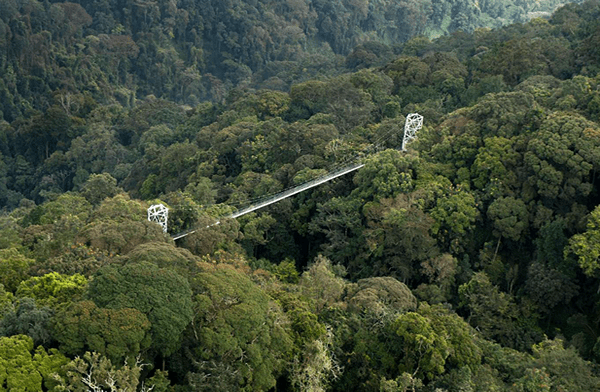
Among the park’s defining experiences is the Canopy Walkway, which forms a central feature of the Igishigishigi Trail. This elevated suspension bridge carries visitors high above the forest floor, offering breathtaking, unobstructed views of the surrounding valleys and the seemingly endless green sea of the forest canopy below. Walking across the swaying bridge with the mist drifting through the trees and birdsong rising from below is an experience unlike anything else in Rwanda — and unlike almost anything elsewhere in Africa.
Kamiranzovu Marsh is another highlight of any visit to Nyungwe. Situated within the forest interior, this wetland area is celebrated for its exceptional birdlife, its spectacular orchid displays, and a picturesque waterfall that provides a scenic focal point for hikers who make the journey into the marsh. The contrast between the cool, dim forest and the open, light-filled marsh creates a landscape of striking beauty.
Primates: The Heart of the Nyungwe Experience
If there is one aspect of Nyungwe that captures the imagination above all others, it is the primates. The park is a vital habitat for 13 species of primates, a total that represents approximately 25% of all primate species found across the entire African continent. This concentration of primate diversity in a single location is extraordinary, and it places Nyungwe among the most important primate refuges anywhere in the world.
The full list of primate species found in the park includes the common chimpanzee, Ruwenzori colobus monkeys, L’Hoest’s monkeys, silver monkeys, the golden monkey, Hamlyn’s monkeys (also known as owl-faced monkeys), red-tailed monkeys, Dent’s mona monkeys, vervet monkeys, olive baboons, and grey-cheeked mangabeys. Each of these species occupies its own ecological niche within the forest, feeding on different foods, occupying different vertical layers of the canopy, and interacting with the environment in distinct ways.
The two flagship primate species of the park are the common chimpanzee (Pan troglodytes) and the Angola colobus (Colobus angolensis). Chimpanzees — humanity’s closest living relatives — are found in several parts of the park, most notably in the Cyamudongo forest. Tracking habituated chimpanzee groups through the dense undergrowth is one of the most sought-after wildlife experiences in East Africa, offering moments of genuine connection with animals whose intelligence, social complexity, and expressiveness are both familiar and profoundly moving. The Angola colobus, meanwhile, carries an additional weight of conservation significance: the species has been driven to extinction in its namesake country of Angola by decades of severe hunting pressure. Nyungwe’s population is therefore not only a local treasure but a continental lifeline — a refuge for a species that has disappeared from much of its former range.
Quick Rate Summary
| Property | Category | Rate (per night) |
|---|---|---|
| Nyungwe Top View Hill Hotel | Midrange | ~$220+ |
| Nyungwe Nziza Eco Lodge | Midrange | ~$200+ |
| Emeraude Kivu Resort | Midrange | ~$100–$200 |
| Gisakura Guest House | Budget/Midrange | $100–$300 pps |
| EAR Ken Barham Guest House | Budget | From ~$49 |
| Uwinka Campsite | Budget | Very low (camping fees) |

🌿 Midrange Accommodation — Nyungwe Safaris
Nyungwe Top View Hill Hotel
Location: Gisakura, ~5 minutes from Nyungwe Forest park gate; 45 minutes from Kamembe Airport
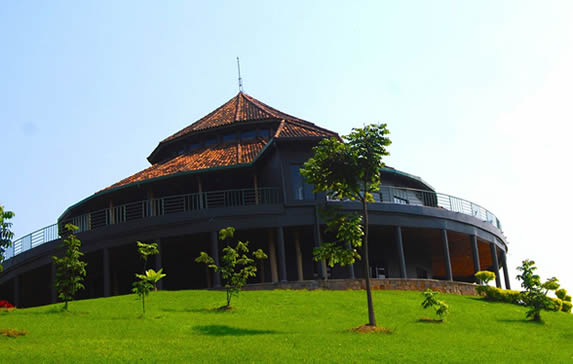
The hotel offers 12 cozy cottages positioned to showcase stunning views, with a main building inspired by traditional Rwandese circular homes (Nyakatsi), offering 360° views of the forest, Lake Kivu, and distant volcanoes.– Rate: From around $220/night, with an all-inclusive option available for an extra $50 per person.
Highlights: Thatched-roof reception with restaurant and bar; two-room cottages with living rooms featuring fireplaces and private balconies. Thoughtful touches include tea and warm towels on arrival, complimentary shoe-cleaning, and evening fires.
Nyungwe Nziza Eco Lodge
Location: Kitabi sector, eastern entrance to Nyungwe Forest National Park
A newer mid-range lodge perched on a hill offering panoramic views of the Nyungwe forest, tea plantations, and Rumbling Hills.
Rate: From $200/night.
Highlights: Features deluxe rooms, private balconies, air conditioning, warm water, and Wi-Fi — a good balance between luxury and affordability.
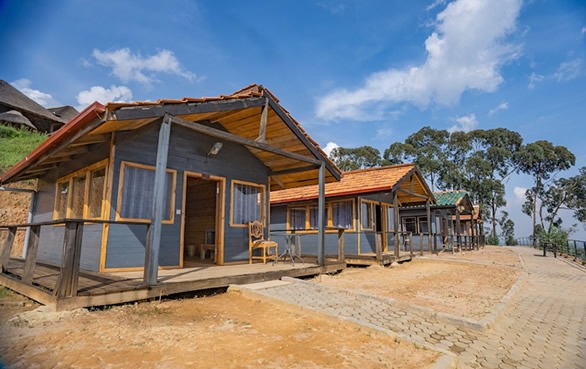
Rwiza Village Guesthouse
Location: Karongi District, overlooking Lake Kivu
Blends Rwandan traditional style with modern comfort, offering breathtaking views of the lake, islands, and hills — ideal for a peaceful retreat near Nyungwe Forest National Park.
Emeraude Kivu Resort
Location: Southern shores of Lake Kivu, Cyangugu — about an hour from Nyungwe National Park
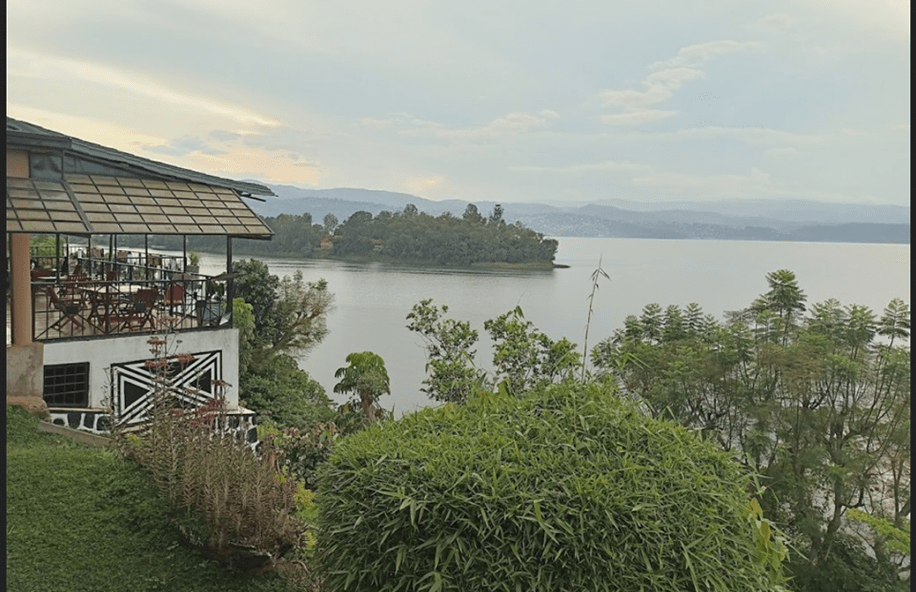
Located on the southern shores of Lake Kivu in Cyangugu, it offers panoramic lake views and is close to fishing grounds. The resort has suites, superior rooms, apartments, standard rooms, and executive rooms, each designed with a mix of modern and African style.
Rate: Midrange; exact rates vary by room type — generally in the $100–$200 range.
Kitabi Eco Center
Location: Mount Kitabi, Nyamagabe District, near the Kitabi entrance of Nyungwe
Offers dormitory-style lodging and private rooms, making it an excellent choice for backpackers or those exploring nature on a smaller budget. The Eco-Center focuses on getting travelers closer to nature. Kitabi Eco Center donates 10% of proceeds to local projects supporting education and conservation, making it an ideal choice for responsible travelers.
Uwinka Campsite
Location: Within Nyungwe Forest, near the Uwinka Reception Center
Set under a wooden shade with tents on a wooden platform. The campsite offers toilets and bathrooms for campers. Campers can bring their own equipment or hire from the reception center. This is the most immersive budget option, right in the heart of the forest.
Gisakura Family Hostel
Location: Changugu, 3 km from Nyungwe Park headquarters
Offers beautiful views and is ideal for single travelers, families, and groups. It features five rooms, a dining area, a kitchen, a sitting room, and a spacious compound with enough parking.
Nyungwe Eco Village
Location: Near Gisakura, Kitabi sector, Nyamagabe District
An affordable gem blending eco-living with cultural tourism. Established by BIOCOOP Rwanda, it enhances livelihoods and promotes sustainable development while generating job opportunities for local communities.