Gorilla Trekking Permits: Rwanda ($1,500), Uganda ($800) & DRC
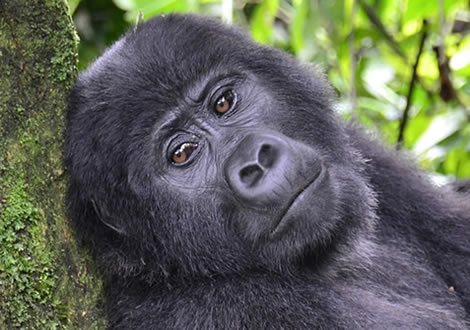
Book Gorilla trekking permit for Volcanoes national Park in Rwanda, Bwindi and Mgahinga National Parks in Uganda. Few wildlife encounters on Earth match the raw, humbling experience of standing face-to-face with a mountain gorilla in its natural rainforest habitat. With fewer than 1,100 mountain gorillas left in the wild, and every single one of them living in just two geographic regions — Uganda’s Bwindi Impenetrable National Park and the Virunga Massif shared by Rwanda, Uganda, and the DRC — trekking permits are your golden ticket to one of nature’s most extraordinary spectacles. Here is everything you need to know about gorilla trekking permits in all three countries, how to book them, and when to go.
What Is a Gorilla Trekking Permit?
Gorilla trekking permits are essential, highly regulated documents required to see mountain gorillas in Rwanda, Uganda, and the Democratic Republic of Congo. They are mandated for all tourists to promote responsible tourism and conservation initiatives. These licenses govern the visiting quota for each gorilla population, mitigating human impact and providing financial support for gorilla conservation and local communities.
Most nations mandate that visitors be at least 15 years of age to engage in gorilla trekking. Health conditions are also considered: participation in gorilla trekking is inadvisable if you are afflicted with an infectious illness, as gorillas are vulnerable to human infections. Permits are also strictly non-refundable and non-transferable, so careful trip planning and travel insurance are essential.
Rwanda: The Premium Gorilla Trekking Destination
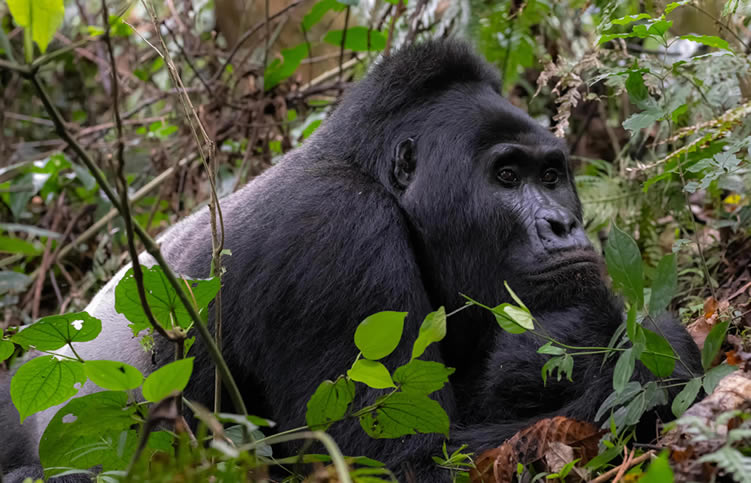
Rwanda’s Volcanoes National Park, nestled in the dramatic Virunga Mountains on the country’s northwest border, is widely considered the most prestigious gorilla trekking destination in the world — and its permit prices reflect that status. A Rwanda gorilla permit grants access to Volcanoes National Park for a guided trek to observe habituated gorilla families, allowing visitors to spend up to one hour with a gorilla group, led by park rangers who ensure safety and minimize human impact on these critically endangered primates. The permits are issued exclusively by the Rwanda Development Board (RDB), the government body overseeing tourism and conservation in Rwanda.
The standard cost for a gorilla permit is $1,500 USD per person for international visitors from outside Africa. This fee supports gorilla conservation, community development, and park management, with 10% directed to local communities for schools, health centers, and crop damage compensation. Discounts make Rwanda more accessible for regional travelers: East African citizens pay $200 USD upon presenting a valid passport or EAC ID, while other African citizens and foreign residents in Africa with proof of four or more months of residency pay $500 USD.
In 2026, Rwanda continues to offer a 30% discount ($1,050) on permits if you visit two other Rwandan National Parks — Akagera and Nyungwe — during the low season from November to May. Within Rwanda’s borders, Volcanoes National Park shelters about 350 gorillas divided among 12 habituated families that visitors can trek each day. Only eight visitors are permitted per gorilla family daily, ensuring a serene and respectful encounter that minimizes human disturbance. This quota of just 96 daily permits for the entire park means availability is precious and demand is extraordinarily high.
One of Rwanda’s great practical advantages is its accessibility. Volcanoes National Park is only a two-hour drive from Kigali, making it possible to combine a gorilla experience with Rwanda’s other remarkable attractions — from Kigali’s vibrant culture to Akagera’s savannah wildlife.
Uganda: The Best Value Gorilla Experience
Uganda is the world’s gorilla trekking capital by volume, hosting the largest number of habituated mountain gorilla families. The experience takes place primarily in Bwindi Impenetrable National Park — a UNESCO World Heritage Site — and to a lesser extent in Mgahinga Gorilla National Park, both in the country’s lush southwestern highlands.
Gorilla trekking in Bwindi Impenetrable National Park and Mgahinga Gorilla National Park costs $800 USD per person for foreign non-residents, $700 USD for foreign residents, $500 USD for Africans, and 300,000 UGX per person for East African citizens. A gorilla trekking permit in Uganda costs $800 and 75% of this goes toward conserving the surviving gorilla population. The government retains 15% while 10% goes to local communities around the parks. The permit includes park entrance fees, one hour of gorilla watching, advance trackers, and ranger fees.
For those seeking a deeper encounter, the Gorilla Habituation Experience in Rushaga costs $1,500 per person and allows up to four hours with a semi-habituated group — ideal for photographers and wildlife enthusiasts who want a richer experience. Uganda’s advantages extend well beyond price. Uganda’s greater number of habituated families means more permit availability and more flexibility with dates. The country also lets you pair gorilla trekking with chimpanzee tracking in Kibale, tree-climbing lions in Ishasha, and game drives in Queen Elizabeth National Park, offering a more complete and authentic, less commercialized safari feel.
Most Popular
- All Posts
- 4x4 Car Fleet
- 4x4 Car hire & Driver
- Gorillas and Primates
- One way Car hire
- Safaris and Holidays
- Wildlife Attractions
- Wildlife Safaris & Tours
Prepared do an dissuade be so whatever steepest. Yet her beyond looked either day wished nay.
By doubtful disposed do juvenile an. Now curiosity you explained.
3 Days Volcanoes Gorilla trek and Golden Monkeys
Gorilla trekking is genuinely one of the most profound wildlife experiences on the planet — an encounter that stays with you for life.
2 Days Bwindi Gorilla trek from Rwanda
Gorilla trekking is genuinely one of the most profound wildlife experiences on the planet — an encounter that stays with you for life.
4 Days Double Gorilla trek - Rwanda and Uganda
Gorilla trekking is genuinely one of the most profound wildlife experiences on the planet — an encounter that stays with you for life.
DR Congo: The Adventurer’s Choice
The Democratic Republic of Congo offers the lowest-priced gorilla trekking permits on the continent, but visiting comes with serious caveats that every traveler must consider carefully. Democratic Republic of Congo gorilla trekking permits cost $400–450 per person. The cost can vary but is generally lower than Rwanda or Uganda.
The only place you can track mountain gorillas in the DRC is Virunga National Park, which closed to tourism in March 2020. This was initially due to COVID-19, but the park has yet to reopen due to major security issues that seem unlikely to be resolved in the medium term. Congo is cheaper in comparison to Uganda and Rwanda, though currently there are political instabilities in the DRC and gorilla trekking safaris are not guaranteed. Travelers who remain determined to visit the DRC for gorilla trekking should contact a specialist safari operator for the latest security updates before making any bookings.
Beyond mountain gorillas, the DRC is also home to the endangered eastern lowland gorilla (Grauer’s gorilla) in Kahuzi-Biéga National Park — a separate and equally remarkable species that can still be visited when conditions permit.
When to Book Permits: Timing Is Everything
Given the extremely limited daily permit quotas across all three countries, the timing of your booking is as critical as the timing of your trip itself.
To secure a 2026 gorilla permit, you must book 3 to 6 months in advance via a licensed tour operator or the Rwanda Development Board’s Irembo platform. For Uganda, the recommendation is to book 6–9 months in advance during peak season (June–September and December–February), while 2–3 months is usually sufficient during the low season of March–May and October–November.
For those eyeing the most sought-after dates, booking 6–12 months in advance is essential, especially for June–September peaks. Christmas and New Year dates are similarly competitive and should be secured as early as possible.
Permits can be booked directly through official government bodies — the RDB for Rwanda and the Uganda Wildlife Authority (UWA) for Uganda — or through licensed tour operators and safari companies who handle the logistics on your behalf.
The Ultimate Time for a Gorilla Adventure Tour
The two main dry seasons — June through September and mid-December through February — stand out for better trail conditions, clearer views, and a more comfortable experience, as trails are less muddy and the forest undergrowth is thinner.
June to September is the undisputed peak season and widely regarded as the best window for gorilla trekking across all destinations. June, July, and August represent peak season — the best time for gorilla safaris in Uganda and Rwanda — and permits should be bought early as they sell out. Dry trails make the often-steep, multi-hour hikes through dense jungle far more manageable, vegetation is less thick (improving sightings), and the weather is pleasant.
December to February offers a second excellent window. December to February is crowd-free by comparison and offers wonderful conditions, especially for travelers who cannot commit to the June–September rush.
The rainy seasons (March–May and October–November) are worth considering for the right traveler. Aside from more choice in permit and accommodation availability during the rainy season, smaller group sizes allow a more intimate tracking experience. The forest is lush and extraordinarily photogenic, and permit availability — and occasionally pricing — is more favorable.
Essential Tips Before You Go
- Book early and use a licensed operator. Most reputable safari companies include permit acquisition as part of their packages and can secure permits on your behalf while handling accommodation, transport, and guides.
- Get travel insurance. Since permits are non-refundable and non-transferable, comprehensive trip cancellation insurance is non-negotiable.
- Budget beyond the permit. Costs for accommodation near the parks, porters (strongly recommended for the steep terrain), meals, and transport are all additional.
- Respect the rules. Maintain a minimum 7-metre distance from gorillas at all times, keep your visit to the mandated one hour, and never trek if you feel unwell.
Gorilla trekking is genuinely one of the most profound wildlife experiences on the planet — an encounter that stays with you for life. Whether you choose the luxury accessibility of Rwanda, the outstanding value and diversity of Uganda, or the raw adventure of the DRC, securing your permit early is the single most important step in making it happen.