- admin
- April 22, 2026
- 4x4 Car hire & Driver
Self-Drive Safari in Akagera National Park Without a Guide: Everything You Need to Know
Rwanda’s hidden gem is ready for your steering wheel and your sense of adventure.
Tucked into the eastern edge of Rwanda along the Tanzanian border, Akagera National Park is one of Africa’s most underrated wildlife destinations — and one of the few parks on the continent where a self-drive safari without a guide is not only permitted but genuinely rewarding. If you’ve been searching for an affordable self-drive safari in East Africa or wondering about car hire options for Akagera National Park, this guide walks you through every bend in the track, from the park gate to your first lion sighting.
Why Choose a Self-Drive Safari in Akagera?
There is something deeply personal about navigating a national park on your own terms. No schedule. No group. Just you, a well-chosen vehicle, and thousands of acres of savanna, papyrus wetlands, and acacia woodland stretching toward the horizon. Akagera makes this possible in a way that many of Rwanda’s other parks do not.
Unlike Volcanoes National Park, which requires a licensed guide for every gorilla trek, Akagera allows independent self-drive access along its designated game-drive circuits. This makes it the ideal destination for travellers researching budget-friendly self-drive safari Rwanda itineraries or those simply craving the freedom of an unstructured wildlife encounter.
The park covers roughly 1,122 square kilometres and harbours the Big Five — lion, leopard, elephant, buffalo, and rhinoceros — alongside hippos, zebras, topis, impalas, elands, and over 500 bird species. It is, without question, one of the most biodiverse parks you can explore independently in the region.
Hiring the Right Vehicle: The Most Important Decision You’ll Make
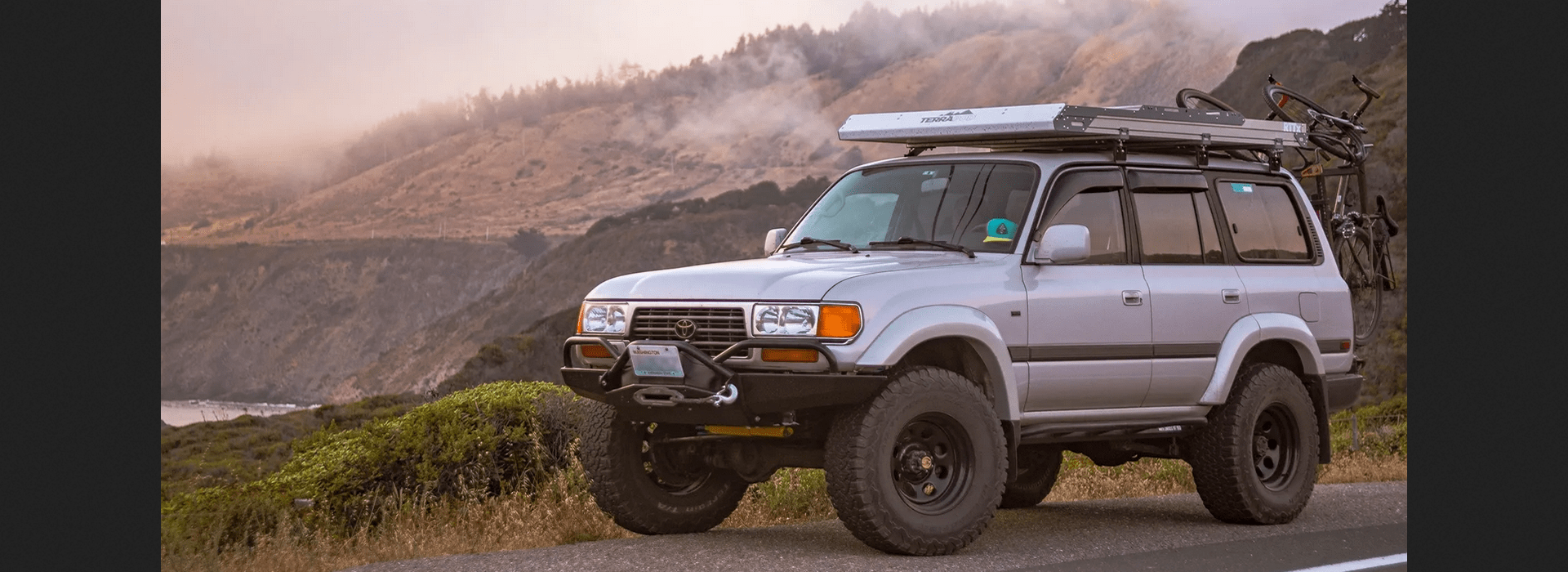
Before you even think about game-drive routes, you need to sort out your wheels. 4×4 car hire for Akagera National Park self-drive is non-negotiable. The park’s interior tracks — especially during or after the rainy season (March–May and October–November) — become deeply rutted, muddy, and steep in sections. A standard saloon car will leave you stranded.
What to look for when hiring a car for a self-drive safari in Rwanda:
- High clearance 4WD vehicles — Toyota Land Cruiser, Toyota RAV4 4WD, or Nissan Patrol are the most recommended options
- Manual or automatic transmission — manual gives you more control on steep terrain, but auto is perfectly manageable
- Roof pop-up or open roof — not essential, but it transforms game viewing dramatically; we at Kigali Car Rentals offer safari-configured vehicles with elevated roof hatches
- Full tank of fuel — there are no petrol stations inside the park; fill up in Kayonza or Rwamagana before entering
- Spare tyre, jack, and basic toolkit — a puncture in the bush with no phone signal is a very real scenario
- Offline maps downloaded — download the park map from the Rwanda Development Board (RDB) website or use the Maps.me app with Akagera loaded before you lose data signal
Most travellers hiring a self-drive safari car in Kigali will find reputable rental agencies along KN 5 Road and around the city centre. Prices for a suitable 4×4 typically range from $70 to $130 USD per day depending on the vehicle type, mileage policy, and whether comprehensive insurance is included. Always confirm that your car hire insurance covers off-road driving in national parks — not all standard policies do.
Entering the Park: Gates, Fees, and Practical Logistics
The main entry point is the Karundazi Gate on the southern end of the park, accessible via the Kigali–Kayonza highway. The drive from Kigali takes approximately two to two and a half hours depending on traffic. A second gate, Kageyo Gate, sits on the northern end and is used less frequently by self-drivers.
Park entry fees (per person per day):
- Non-resident adults: $40 USD
- East African residents: significantly reduced rates apply
- Vehicle: additional fee applies based on vehicle category
Fees are paid at the gate and can be settled via mobile money or card. The park opens at 6:00 AM and closes at 6:00 PM — you must be back at your accommodation or campsite before dark. Driving after sunset is strictly prohibited, both for safety and conservation reasons.
The Game-Drive Circuits: Navigating Without a Guide
The park has a network of clearly marked dirt tracks that loop through its diverse ecosystems. As someone doing an independent self-drive game drive in Akagera, you’ll want to focus on the following key circuits:
The Southern Loop is the most popular route for first-time self-drivers. It winds through open savanna and woodland, offering excellent chances of spotting elephants, buffaloes, zebras, and warthogs. The lions, reintroduced in 2015, are most frequently sighted in this southern zone. Early morning — between 6:30 and 9:00 AM — gives you the highest probability of a lion encounter before they seek shade.
The Lake Circuit follows the chain of lakes running along the park’s western boundary, including Lake Ihema, the largest. This route rewards patient birders and hippo enthusiasts enormously. Pull up quietly at any of the lake viewpoints and you’ll likely find hippo pods wallowing in full view. Crocodiles bask on the banks without apology, and the birdlife — from African fish eagles to malachite kingfishers — is extraordinary.
The Northern Sector is wilder, steeper, and less visited. It demands a more confident driver and a vehicle in excellent mechanical condition. The reward is isolation and the possibility of encountering rhino, which were reintroduced into the northern highlands. Rwanda’s growing rhino conservation program in Akagera has seen the population increase steadily, and self-drivers willing to venture north stand a genuine chance of a sighting.
Wildlife Encounters: What to Realistically Expect
Managing expectations is part of responsible safari planning. On a solo self-drive safari in Akagera, you should anticipate:
- Almost certain: Elephants, hippos, buffaloes, zebras, impalas, warthogs, baboons, and a spectacular array of waterbirds
- Very likely: Topis, elands, crocodiles, mongooses, and various raptors including martial eagles
- Possible: Lions (especially with an early start in the south), leopards (rare but present), and rhinos in the north
- Bonus: Akagera has one of the highest concentrations of shoebill storks in the region — a bucket-list bird for serious wildlife watchers
Drive slowly. Stop frequently. Turn off your engine at waterholes and wait. The animals reveal themselves to patient observers, and that patience is far easier to maintain when you’re not following someone else’s timetable.
Where to Stay: Campsites and Lodges for Self-Drivers
Akagera Game Lodge is the park’s flagship accommodation and sits beautifully on the shores of Lake Ihema. It is a comfortable base but sits at the premium end of the budget. For travellers on a self-drive safari budget in Rwanda, the RDB campsites inside the park are an excellent alternative. Campsites at Shakira and along Lake Ihema are bookable through the Rwanda Development Board and cost a fraction of the lodge price. Bring your own tent, food, and cooking equipment — facilities are basic but the sunrise over the lake from your tent is priceless.
Final Tips for a Safe and Successful Self-Drive
- Start every game drive at opening time (6:00 AM) — this is when predators are most active and temperatures are most comfortable
- Never exit your vehicle except at designated viewpoints and picnic sites
- Keep your windows up near hippos and elephants — they can be deceptively fast
- Share your route plan with someone outside the park before heading into remote areas
- Carry at least 2–3 litres of water per person — the savanna heat is relentless
A self-drive safari in Akagera National Park without a guide is one of East Africa’s most authentic and accessible wildlife adventures. With the right 4×4 hire, a downloaded offline map, and an early alarm, you’ll return home with a collection of stories, photographs, and memories that no guided tour could have scripted quite the same way.
Rwanda is waiting. The track is yours.