Rwanda holidays, Planning for Every Budget, from Shoestring to Safari Suite
The Land of a Thousand Hills offers two utterly different Rwandas — one scrappy, intimate, and honest; the other rarefied, seamless, and jaw-dropping. Both are worth every franc.
Rwanda has quietly become one of Africa’s most compelling destinations — not just for gorilla trekking, but for its extraordinary urban energy, immaculate roads, lakeside calm, and a national story of resilience that is impossible not to feel. Yet it’s a country that can be experienced two entirely different ways. A backpacker navigating Kigali’s moto-taxi grid and a honeymooner slipping champagne on a private veranda in Volcanoes National Park are visiting the same country but occupying entirely separate worlds.
This guide is built for both. Whether you’re watching the budget carefully or prepared to splurge for once-in-a-lifetime exclusivity, the planning essentials — visas, gorilla permits, seasonality, transport — apply equally. What changes is how much comfort and curation money can buy.
Getting There and the Visa
Rwanda runs a clean, no-nonsense visa system. Citizens of most countries can get a single-entry 30-day visa on arrival at Kigali International Airport, or apply online in advance through the official Rwanda e-visa portal for around $50. East African Community members (Uganda, Kenya, Tanzania, Burundi) enter free. The East Africa Tourist Visa — a shared $100 permit covering Rwanda, Uganda, and Kenya — is one of the best deals in regional travel if you’re combining countries.
The Gorilla Permit: The Great Equalizer
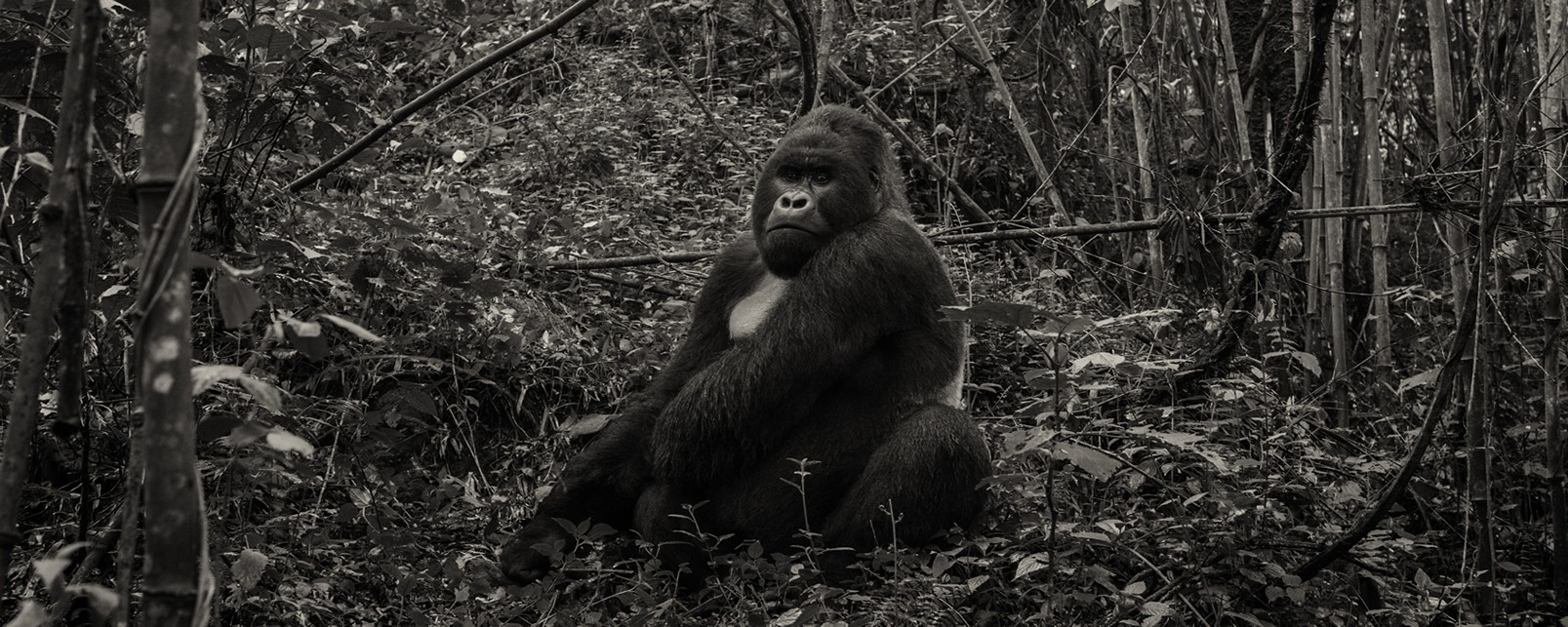
Here’s where Rwanda’s pricing structure makes itself felt clearly: gorilla trekking permits cost $1,500 per person, full stop. There is no budget tier for this. Volcanoes National Park issues a set number of permits daily, and they must be booked in advance through the Rwanda Development Board. This is the single biggest expense of any Rwanda trip, regardless of how you travel the rest of the time.
That said, how you frame the gorilla experience around that permit is entirely up to your budget. The trek itself — usually 2–6 hours through dense forest, culminating in one extraordinary hour with a habituated gorilla family — is the same for everyone. The differences lie in where you sleep before and after.
“The hour with the gorillas is the same hour, whether you slept in a $25 guesthouse or a $900 lodge the night before. That’s the democratizing beauty of Rwanda’s national parks.”
Planning tip Book gorilla permits as soon as your dates are confirmed — ideally 3–6 months ahead for peak season (June–September, December–January). The Rwanda Development Board website allows direct booking. Cancellation is possible with some notice, but permits are non-transferable.
Accommodation: The Widest Range in Rwanda
Budget
Kigali punches well above its weight for budget accommodation. The city is small enough to be walkable from many guesthouses, and a wave of clean, well-run hostels and mid-range guesthouses has emerged over the past decade. In the Kimironko and Remera districts, dorm beds go for $10–18, while private ensuite rooms in locally-run guesthouses sit at $25–45. These areas put you close to Kigali’s best local food markets and moto-taxi networks.
Near Volcanoes National Park, the town of Musanze (Ruhengeri) is the budget base. Dozens of modest guesthouses cluster around the town center, offering clean double rooms from $20–40 per night. Many offer early morning transport up to the park gates, which saves on taxi fares. Kibuye on Lake Kivu is similarly affordable for those who want waterside time — small lakeside guesthouses rent simple rooms with extraordinary views for very little.
Luxury
Rwanda’s luxury lodge market is genuinely world-class, anchored by a cluster of extraordinary properties around Volcanoes National Park. Singita Kwitonda, One&Only Gorilla’s Nest, and Bisate Lodge (Wilderness Safaris) are benchmarks of what East African luxury lodging can be — intimate, architecturally remarkable, deeply embedded in conservation. Rates at these properties run from $800 to over $2,000 per person per night, usually all-inclusive.
In Kigali, the Kigali Marriott and the Radisson Blu offer polished international luxury in the city center, while the newer Mantis Résidence des Mille Collines — the historic hotel of the famous film — offers a more storied, atmospheric stay. For Lake Kivu, Kivu Serena Hotel in Gisenyi and the boutique Cormoran Lodge on Gihaya Island represent the upper end of lakeside relaxation.
 Getting Around: Motos vs. Private Transfers
Transport is where the two Rwandas diverge most sharply in daily feel. Kigali’s moto-taxis — motorbikes ridden by drivers in yellow helmets, available on every corner — are the city’s lifeblood, fast, cheap ($0.50–$2 for most city trips), and a genuinely local experience. For intercity travel, Rwanda has an excellent and expanding bus network. Volcano Express and Virunga Express connect Kigali to Musanze in roughly 2.5 hours for around $3–5. Express Buses to Huye (Butare) or Cyangugu take 2–4 hours at similarly low prices.
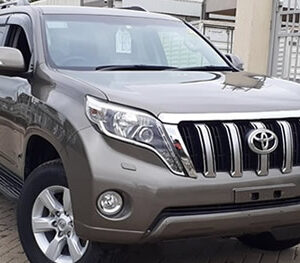
Luxury travelers typically use private vehicle hire, either through their lodge or booked independently. A private driver from Kigali to Musanze runs $80–150 depending on the vehicle. Many top lodges include airport transfers and all park gate transfers in their rates, which genuinely simplifies the logistics. Some high-end visitors choose helicopter transfers, particularly for the route between Kigali and Volcanoes — a 20-minute flight that costs around $400–600 per person but delivers aerial views of the volcanoes that no road can replicate.
Moto-taxi safety note Helmets are mandatory for passengers in Rwanda (the law is enforced) and drivers carry a spare. If your driver doesn’t offer you a helmet, ask — or find another ride. Rwanda’s moto system is one of Africa’s most regulated, and road safety standards are taken seriously.
Food: Street Stalls to Fine Dining
Rwandan food at the budget level is honest, starchy, and filling. Ubiquitous dishes include ugali (stiff maize porridge), isombe (cassava leaves), inyama (grilled meats), beans, and matoke (cooked banana). The local restaurant standard — a simple plate of mixed local dishes — costs $2–5 and is available everywhere. Kigali’s market at Kimironko is the best place for this kind of eating: cheap, authentic, and surrounded by the buzzing energy of everyday Rwandan life.
Kigali also supports a genuinely excellent mid-range and upscale dining scene that punches above its modest city size. Reputable restaurants like Poivre Noir, Khana Khazana (Indian), and the Fusion restaurant at the Marriott offer well-executed food for $15–40 a head. For the luxury traveler, many of the Volcanoes-area lodges have invested heavily in their culinary programs — multi-course dinners featuring Rwandan ingredients cooked with refined technique, served by firelight in the shadow of the volcanoes.
Beyond the Gorillas: Activities for All Budgets
Rwanda’s activity roster extends well beyond gorilla trekking, and most of the country’s other experiences are accessible regardless of budget. The Kigali Genocide Memorial is free and essential — a profound and carefully maintained testament to the 1994 genocide that no visitor should skip. The memorial offers audio guides and the grounds are immaculately kept. Allow two to three hours and come prepared for emotional weight.
Nyungwe Forest National Park in the southwest offers chimpanzee trekking ($90–150) and the famous canopy walkway ($60) strung through the forest at 50m elevation — genuinely thrilling and accessible to budget travelers who make the bus journey south. Lake Kivu’s shoreline communities can be explored by bicycle rental ($5–10/day) or local boat, spending almost nothing while covering extraordinary scenery. For the luxury traveler, Nyungwe Forest Lodge (One&Only) offers gorilla tracking and high-altitude forest walks from the comfort of a striking glass-and-wood property.
Akagera National Park in the east is Rwanda’s Big Five safari destination, having been restocked with lions and rhinos over the past decade. Entry costs $40 per person plus vehicle fees, and self-drive is permitted. Budget travelers can camp inside the park from $30/person or stay at budget-tier banda accommodation for $60–80. The luxury tier offers Akagera Game Lodge or the newer Magashi Camp (Wilderness Safaris), where all-inclusive rates and guided game drives transform the experience into something more seamlessly curated.
When to Go
Rwanda’s climate is highland tropical — mild and temperate year-round by East African standards, but divided by two dry and two wet seasons. The long dry season from June to September is peak, offering the easiest gorilla trekking conditions (drier trails, more predictable weather) and the highest lodge prices. December to January is a shorter dry season and often slightly cheaper for accommodation while still offering good conditions. The long rains (March–May) bring muddy trails and reduced lodge prices — sometimes dramatically so — but gorilla permits are available year-round and the forest is lushly beautiful. Budget travelers who can tolerate unpredictable skies and muddy boots stand to save 20–40% on accommodation by traveling in the green season.
Green season value Luxury lodges like Singita and One&Only offer genuine green season pricing — sometimes 30–40% off rack rates between March and May. If the gorilla permit is already fixed at $1,500, reducing your lodge cost from $1,200/night to $800/night over five nights is a saving of $2,000. That’s real money, and the forest during the rains has a moody, mist-draped drama all its own.
Final Counsel
Rwanda is safe, infrastructure-literate, and genuinely welcoming. The country’s cleanliness — plastic bags have been banned since 2008 — and the monthly community work day (Umuganda) signal a national culture of civic order that travelers notice immediately. Kigali regularly ranks as one of Africa’s safest and cleanest cities, and that reputation is well-earned.
Whatever your budget, plan the gorilla permit first and build everything else around it. Don’t underestimate travel time between regions — Rwanda is small but mountainous, and winding highland roads make distances feel longer than they look on a map. And wherever you eat, sleep, or travel, carry a small notebook: the conversations you’ll have, and the country you’ll find, are worth recording.
Currency and payments The Rwandan franc (RWF) is the local currency. USD is widely accepted at hotels and tourist facilities. ATMs in Kigali are reliable and dispense francs. Card payments work at most mid-range and upscale establishments. Away from Kigali, carry cash — many rural guesthouses, markets, and transport operators are cash only.